Clearing & Grubbing (C&G) and Dismantling Works in Highway Construction – Complete Site Engineer Guide (MoRTH Clause 201)
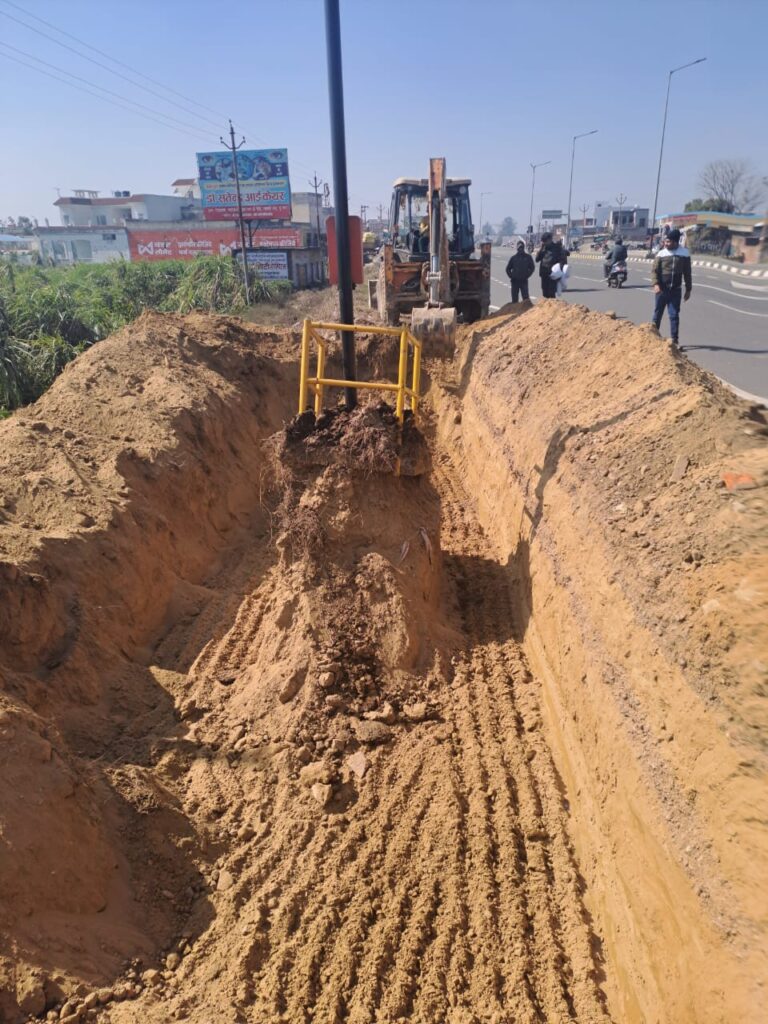
Clearing & Grubbing (C&G) and Dismantling Works are the first physical construction activities carried out in highway projects before the commencement of earthwork, embankment, pavement, drainage, and structural works. These operations involve removing vegetation, organic matter, abandoned structures, old pavements, utilities, and other obstructions to prepare a clean, stable, and safe construction platform.
Proper execution of these activities is essential to ensure long-term pavement performance, prevent differential settlement, facilitate quality construction, and comply with the requirements of MoRTH Specifications (Clause 201) and approved project drawings.
Site Engineer's Note: Clearing & Grubbing should be completed, inspected, and approved before commencement of embankment, subgrade, drainage, or pavement construction.
1. What is Clearing & Grubbing (C&G)?
Clearing & Grubbing is the process of removing all unwanted vegetation, organic material, debris, stumps, roots, abandoned structures, and other obstructions from the construction area to obtain a clean formation suitable for subsequent highway construction activities.
The activity generally includes removal of:
- Trees, shrubs, bushes, and hedges
- Grass, weeds, and surface vegetation
- Tree stumps and root systems
- Organic topsoil where specified
- Decayed matter and unsuitable materials
- Existing fences, signboards, and miscellaneous obstructions
- Abandoned foundations and small structures where directed
- Construction debris and waste materials
The work shall be carried out only within the approved Right of Way (ROW) or the limits shown on the approved construction drawings.
2. Objectives of Clearing & Grubbing
- Provide a clean and obstruction-free construction area.
- Remove organic materials that may cause settlement.
- Improve the stability of embankment foundations.
- Facilitate accurate survey and setting-out.
- Improve drainage and water flow.
- Ensure safe movement of construction equipment.
- Provide suitable ground for earthwork and pavement construction.
- Comply with environmental and contractual requirements.
3. Importance of Clearing & Grubbing
Failure to properly execute Clearing & Grubbing may lead to poor compaction, excessive settlement, pavement cracking, drainage problems, and premature pavement failure.
Major Benefits
- Improves foundation stability.
- Enhances embankment performance.
- Reduces differential settlement.
- Improves pavement durability.
- Ensures better drainage.
- Facilitates accurate construction.
- Reduces future maintenance costs.
- Provides a safer working environment.
Engineering Insight: Organic materials continue to decompose after construction. If left beneath the embankment, they create voids that may lead to settlement, pavement deformation, and structural failures.
4. Applicable Specifications
| Specification | Description |
|---|
| MoRTH Clause 201 | Clearing and Grubbing |
| IRC Guidelines | Site preparation and highway construction practices |
| Project Specifications | Contract-specific requirements |
5. Relevant MoRTH Provisions (Clause 201)
MoRTH Specifications for Road and Bridge Works – Section 200, Clause 201 (Clearing and Grubbing) specify the requirements for site preparation before commencement of earthwork and pavement construction.
The Contractor shall clear, grub, remove, and dispose of all vegetation, organic matter, unsuitable materials, and obstructions within the approved construction limits in accordance with the Contract and the directions of the Engineer.
Clause 201 Covers
- Clearing of vegetation, bushes, shrubs, grass, and hedges.
- Grubbing and removal of tree stumps, roots, and buried organic matter.
- Removal of unsuitable surface materials.
- Protection of existing utilities, adjacent properties, and environmental features.
- Disposal of cleared and grubbed materials at approved locations.
- Measurement and payment of Clearing & Grubbing works.
- Safety, environmental protection, and restoration requirements.
Site Engineer's Note: Clearing & Grubbing shall be completed and approved by the Engineer before commencement of embankment, subgrade, drainage, or pavement works.
6. Materials and Obstructions to be Removed
The Site Engineer shall ensure that all unsuitable materials and obstructions within the approved Right of Way (ROW) or construction limits are removed completely before earthwork operations begin.
| Material / Obstruction | Action Required |
|---|
| Trees and Saplings | Cut and remove including roots where specified. |
| Shrubs, Bushes & Hedges | Completely remove from construction area. |
| Grass and Surface Vegetation | Clear before commencement of earthwork. |
| Tree Stumps and Roots | Uproot and remove to the required depth. |
| Organic Soil & Decayed Matter | Excavate and dispose of at approved locations. |
| Old Pavements | Dismantle as per approved drawings and specifications. |
| Boundary Walls & Minor Structures | Dismantle where shown in the drawings or directed by the Engineer. |
| Temporary Huts & Fencing | Remove after obtaining necessary approvals. |
| Construction Debris | Collect and dispose of in an environmentally acceptable manner. |
| Miscellaneous Obstructions | Remove to facilitate safe construction operations. |
7. Removal of Ant Hills (Termite Mounds)
Ant hills or termite mounds located within the construction limits shall be removed wherever they are likely to affect the stability of embankments, interfere with drainage, or create weak pockets beneath pavement layers.
The excavation shall extend until all loose and contaminated material has been removed. The excavated area shall then be backfilled with approved material in layers and compacted to the specified density in accordance with MoRTH requirements.
Quality Control: The Site Engineer shall verify that the excavated area is completely free from organic matter and termite activity before backfilling and compaction. Field density and moisture content shall comply with the applicable project specifications.
Site Inspection Checklist
- All vegetation removed within the approved construction limits.
- Tree stumps and roots completely uprooted.
- Organic soil and decayed matter removed.
- Old pavements and unwanted structures dismantled as per drawings.
- Ant hills removed and excavated areas properly backfilled.
- Generated waste disposed of at approved dumping locations.
- Adjacent utilities and existing properties protected during operations.
- Site inspected and approved before commencement of earthwork.
8. Topsoil Stripping
8.1 Purpose of Topsoil Stripping
Topsoil is the uppermost layer of natural ground containing organic matter, humus, roots, grass, and other biodegradable materials. Since these materials are unsuitable for structural fill, embankment, or pavement construction, the topsoil shall be stripped before commencement of earthwork wherever specified in the Contract or directed by the Engineer.
Engineering Note: Organic materials decompose with time, causing settlement, loss of strength, and premature pavement distress. Therefore, topsoil shall never be used in embankment or subgrade unless specifically permitted in the Contract.
8.2 Typical Thickness of Topsoil
The thickness of topsoil varies from site to site. Unless otherwise specified, topsoil is generally stripped to a depth of 150 mm to 300 mm, or as directed by the Engineer based on actual field conditions.
8.3 Reuse of Stripped Topsoil
Suitable stripped topsoil may be stockpiled and reused for:
- Landscaping and environmental restoration.
- Slope protection works.
- Median plantation.
- Turfing and grassing.
- Rehabilitation of disturbed areas.
9. Measurement of Trees, Stumps & Roots
9.1 Classification of Trees
For measurement and payment purposes, trees are generally classified based on girth measured at approximately 1.0 m above the ground level, unless otherwise specified in the Contract.
| Category | Tree Girth |
|---|
| Small | 300 mm – 600 mm |
| Medium | Above 600 mm – 900 mm |
| Large | Above 900 mm – 1800 mm |
| Extra Large | Above 1800 mm |
9.2 Measurement of Stumps and Roots
Tree stumps and roots shall generally be classified according to their diameter or girth, consistent with the applicable project specifications and payment schedule.
- 300 mm – 600 mm
- Above 600 mm – 900 mm
- Above 900 mm – 1800 mm
- Above 1800 mm
10. Protection of Existing Utilities and Assets
Before commencement of Clearing & Grubbing, all existing utilities and structures that are to remain shall be identified, protected, and safeguarded throughout the construction period.
- Electrical poles and overhead transmission lines.
- Water supply pipelines.
- Sewer and storm water drains.
- Optical Fibre Cable (OFC) networks.
- Gas pipelines.
- Buildings and compound walls.
- Traffic signs and highway furniture.
- Street lighting systems.
- Public amenities and existing drainage structures.
Important: No utility shall be disturbed without written approval from the concerned authority and the Engineer. Any accidental damage shall be immediately reported and rectified by the Contractor at his own cost.
11. Execution Procedure for Clearing & Grubbing
Step 1 – Survey and Site Marking
- Verify approved alignment and chainages.
- Establish construction limits and Right of Way (ROW).
- Locate existing utilities and services.
- Identify trees and structures marked for removal.
- Mark protected assets to prevent accidental damage.
Step 2 – Utility Identification and Protection
- Identify overhead electrical lines.
- Locate underground water pipelines.
- Identify sewer and storm water drains.
- Locate Optical Fibre Cable (OFC).
- Verify gas pipelines and communication networks.
- Coordinate with concerned utility agencies before commencing work.
Step 3 – Tree Cutting Operations
- Obtain statutory permissions from competent authorities.
- Provide barricading and traffic management.
- Remove branches in a controlled manner.
- Cut tree trunks safely in stages.
- Segregate reusable timber where applicable.
- Completely uproot stumps and major roots.
- Transport cleared material to approved locations.
Step 4 – Grubbing Operations
- Remove tree stumps and root systems.
- Excavate buried vegetation and organic matter.
- Remove unsuitable soil where directed.
- Backfill excavated pits with approved material.
- Compact backfilled material to the specified density.
- Obtain Engineer's approval before commencing earthwork.
12. Equipment Used for Clearing & Grubbing
| Equipment | Typical Application |
|---|
| Hydraulic Excavator | Tree uprooting, excavation, and grubbing. |
| Bulldozer | Clearing vegetation and pushing debris. |
| Wheel Loader | Loading cleared materials. |
| Tipper / Dumper | Transportation of debris and waste materials. |
| Chainsaw | Tree cutting and branch removal. |
| Motor Grader | Final trimming and formation preparation. |
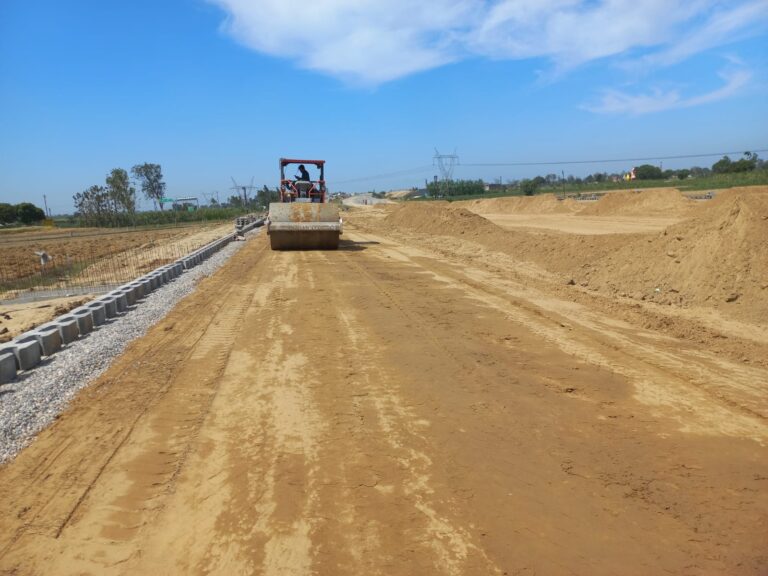
| Vibratory Roller | Compaction of backfilled excavated areas. |
| Water Tanker | Dust suppression and moisture control. |
13. Quality Control Requirements
The following quality control measures shall be implemented during Clearing & Grubbing operations to ensure compliance with MoRTH Specifications, environmental regulations, and approved project requirements.
- Complete removal of trees, shrubs, bushes, grass, and unwanted vegetation.
- Complete uprooting of tree stumps, roots, and buried organic matter.
- Removal of unsuitable soil and decayed materials within the construction limits.
- Topsoil stripped to the specified depth wherever required.
- Excavated pits backfilled with approved material and compacted.
- Generated debris disposed of only at approved dumping locations.
- Environmental protection measures implemented during disposal.
- Existing utilities and adjacent structures adequately protected.
- Survey verification completed before commencement of earthwork.
- Inspection records, approvals, and quality documentation maintained.
QA/QC Requirement: Clearing & Grubbing shall be inspected and approved by the Engineer before embankment, subgrade, or pavement construction begins.
14. Common Defects, Causes & Corrective Measures
| Defect | Possible Cause | Corrective Measure |
|---|
| Roots left below formation level | Incomplete grubbing operation | Excavate remaining roots, backfill with approved material, and compact. |
| Organic matter remaining in foundation | Insufficient stripping or poor supervision | Remove unsuitable material and replace with approved fill. |
| Inadequate topsoil stripping | Failure to follow approved excavation depth | Strip remaining topsoil before earthwork commences. |
| Construction debris buried within embankment | Improper housekeeping and disposal | Remove debris completely and reconstruct the affected area. |
| Damage to existing utilities | Failure to identify underground services | Repair damaged utility, notify concerned authority, and improve utility protection measures. |
| Improper disposal of cleared material | Unauthorized dumping | Dispose of waste at approved locations in accordance with environmental requirements. |
SECTION 2 – Dismantling of Existing Structures (MoRTH Clause 202)
15. Introduction
Existing structures that interfere with the proposed highway alignment shall be dismantled in a safe, systematic, and controlled manner before commencement of new construction works. Dismantling operations shall be carried out in accordance with MoRTH Section 200 – Clause 202, approved drawings, project specifications, and the directions of the Engineer.
The Contractor shall ensure that dismantling operations do not endanger adjacent structures, utilities, public traffic, or personnel. Reusable materials shall be handled, stacked, and disposed of strictly as directed by the Engineer.
16. Structures Covered Under Dismantling Works
- Culverts and minor bridges.
- Bridge components and foundations.
- Bituminous pavements.
- Cement concrete pavements.
- Kerbs, gutters, and medians.
- Drainage structures.
- Retaining walls and boundary walls.
- Traffic signs and highway furniture.
- Utility ducts and service crossings.
- Temporary structures and miscellaneous obstructions.
17. Objectives of Dismantling
- Remove existing obstructions safely.
- Prepare the site for new construction.
- Recover reusable materials wherever specified.
- Protect adjacent structures and underground utilities.
- Maintain uninterrupted and safe traffic movement.
- Prevent future settlement caused by buried foundations.
- Ensure environmental compliance during disposal.
18. Dismantling of Culverts and Bridges
- Carry out structural assessment before demolition.
- Remove the superstructure in a controlled sequence.
- Demolish foundations to the level specified in the drawings.
- Protect portions intended to remain in service.
- Preserve reinforcement where future structural connections are required.
- Dispose of demolition debris at approved locations.
Engineering Note: Existing foundations or buried structural elements left below the proposed formation level may obstruct construction activities and lead to differential settlement of embankments and pavements.
19. Dismantling of Existing Pavements
- Cement Concrete Pavement (PQC/DLC).
- Bituminous pavement layers.
- Granular pavement layers where specified.
- Kerbs and channels.
- Concrete medians and islands.
- Road shoulders.
Concrete pavements shall be broken into manageable pieces using approved equipment. Salvageable materials shall be separated where specified in the Contract.
20. Removal of Road Furniture and Utilities
- Crash barriers and guard rails.
- Traffic signs and sign supports.
- Road studs and delineators.
- Street lighting poles.
- Fencing and boundary walls.
- Utility ducts and service lines.
- Manholes and inspection chambers.
- Catch basins and drainage inlets.
21. Safety Requirements During Dismantling
Appropriate safety measures shall be implemented throughout dismantling operations to safeguard workers, road users, adjacent properties, and existing utilities.
- Provide barricading around the work zone.
- Implement approved traffic diversion and traffic management plans.
- Install warning signs, cones, blinkers, and reflectors.
- Provide adequate illumination for night operations.
- Prevent unauthorized entry into demolition areas.
- Control dust using water sprinkling.
- Ensure safe lifting and demolition practices.
- Maintain emergency response arrangements at site.
Mandatory Personal Protective Equipment (PPE)
- Safety Helmet.
- Reflective Safety Jacket.
- Safety Shoes.
- Protective Gloves.
- Safety Goggles or Face Shield.
- Ear Protection (where required).
- Dust Mask or Respirator (during demolition operations).
22. Environmental Protection Measures
Clearing & Grubbing and Dismantling activities shall be carried out in an environmentally responsible manner. The Contractor shall comply with the Environmental Management Plan (EMP), applicable statutory regulations, and the directions of the Engineer throughout the execution of the works.
- Provide regular water sprinkling to suppress dust generation.
- Segregate reusable and non-reusable demolition waste.
- Control excessive noise and vibration during demolition activities.
- Dispose of waste only at approved disposal locations.
- Prevent contamination of nearby water bodies and drainage channels.
- Protect existing trees, vegetation, and environmentally sensitive areas designated for preservation.
- Avoid burning of vegetation, waste, or construction debris unless specifically permitted by the competent authority.
- Maintain proper housekeeping throughout the work zone.
Environmental Note: All waste generated during Clearing & Grubbing and Dismantling shall be transported, handled, and disposed of in accordance with applicable environmental regulations and project-specific Environmental Management Plans (EMP).
23. Backfilling After Dismantling
Upon completion of dismantling operations, all excavated areas shall be restored using approved fill material and compacted in accordance with MoRTH Specifications to prevent future settlement and pavement distress.
Execution Procedure
- Remove all loose debris, organic matter, and unsuitable materials.
- Inspect the excavated area and obtain Engineer's approval.
- Place approved fill material in specified layer thickness.
- Adjust moisture content to Optimum Moisture Content (OMC).
- Compact each layer to the specified density.
- Repeat the process until the required formation level is achieved.
- Verify finished level, cross slope, and compaction before proceeding with subsequent works.
Importance of Proper Backfilling
- Prevents differential settlement.
- Eliminates future surface depressions.
- Prevents water accumulation.
- Improves foundation stability.
- Minimizes pavement cracking.
- Ensures long-term structural performance.
24. Disposal of Dismantled Materials
Materials obtained during dismantling shall be sorted, handled, and disposed of in accordance with the Contract provisions and the directions of the Engineer.
Reusable Materials
- Structural steel sections.
- Stone masonry blocks.
- Pipes and utility components.
- Suitable aggregates.
- Approved concrete rubble for recycling.
- Traffic signs and highway furniture where specified.
Non-Reusable Materials
- Damaged reinforced concrete.
- Contaminated materials.
- Organic waste.
- Unsuitable demolition debris.
- Hazardous waste (to be disposed of as per statutory requirements).
25. Quality Control Checklist
| S.No. | Inspection Item | Yes | No | N.A. |
|---|
| 1 | Dismantling limits comply with approved drawings. | | | |
| 2 | Existing utilities protected during demolition. | | | |
| 3 | No buried debris remains within construction limits. | | | |
| 4 | Reusable materials properly segregated and stacked. | | | |
| 5 | Excavated areas backfilled with approved material. | | | |
| 6 | Specified compaction achieved after backfilling. | | | |
| 7 | Finished levels restored as per drawings. | | | |
| 8 | Waste disposed of at approved locations. | | | |
| 9 | Environmental requirements complied with. | | | |
| 10 | Inspection records completed and approved. | | | |
26. Frequently Asked Interview Questions
| S.No. | Question | Answer |
|---|
| 1 | What is the difference between Clearing and Grubbing? | Clearing involves removal of vegetation and surface obstructions, whereas Grubbing includes removal of roots, stumps, buried vegetation, and organic materials below ground level. |
| 2 | Why is Grubbing necessary before embankment construction? | Organic materials decompose over time, creating voids that cause settlement, loss of bearing capacity, and pavement failure. |
| 3 | Why is topsoil stripped before earthwork? | Topsoil contains organic matter and moisture-sensitive materials unsuitable for structural fill and embankment construction. |
| 4 | Which MoRTH clause covers Clearing & Grubbing? | MoRTH Section 200 – Clause 201. |
| 5 | Which MoRTH clause covers dismantling works? | MoRTH Section 200 – Clause 202. |
| 6 | What should be done after dismantling a culvert or structure? | Remove debris, backfill with approved material in layers, compact to the specified density, and restore the required formation level. |
| 7 | Why is proper disposal of dismantled material important? | It ensures environmental compliance, site safety, proper housekeeping, and prevents future construction problems. |
| 8 | What is the responsibility of the Site Engineer during Clearing & Grubbing? | To ensure compliance with approved drawings, MoRTH Specifications, environmental requirements, quality control procedures, and safety regulations. |
27. Key Takeaway
Clearing & Grubbing and Dismantling are fundamental engineering activities that establish the foundation for successful highway construction. Proper execution directly influences embankment stability, pavement durability, drainage performance, construction quality, and long-term service life of the highway.
A competent Site Engineer shall ensure:
- Complete removal of unsuitable materials and obstructions.
- Protection of existing utilities and public infrastructure.
- Safe execution in accordance with approved traffic management plans.
- Proper segregation and disposal of demolition waste.
- Backfilling and compaction of excavated areas to specified requirements.
- Compliance with MoRTH Specifications, environmental regulations, and contractual obligations.
- Maintenance of complete QA/QC records and inspection documentation.
HIGHWAY QUALITY TEST
Practical Highway Engineering Knowledge | MoRTH • IRC • IS Standards | From Freshers to Highway Professionals