
Aggregate

Water Absorption Test

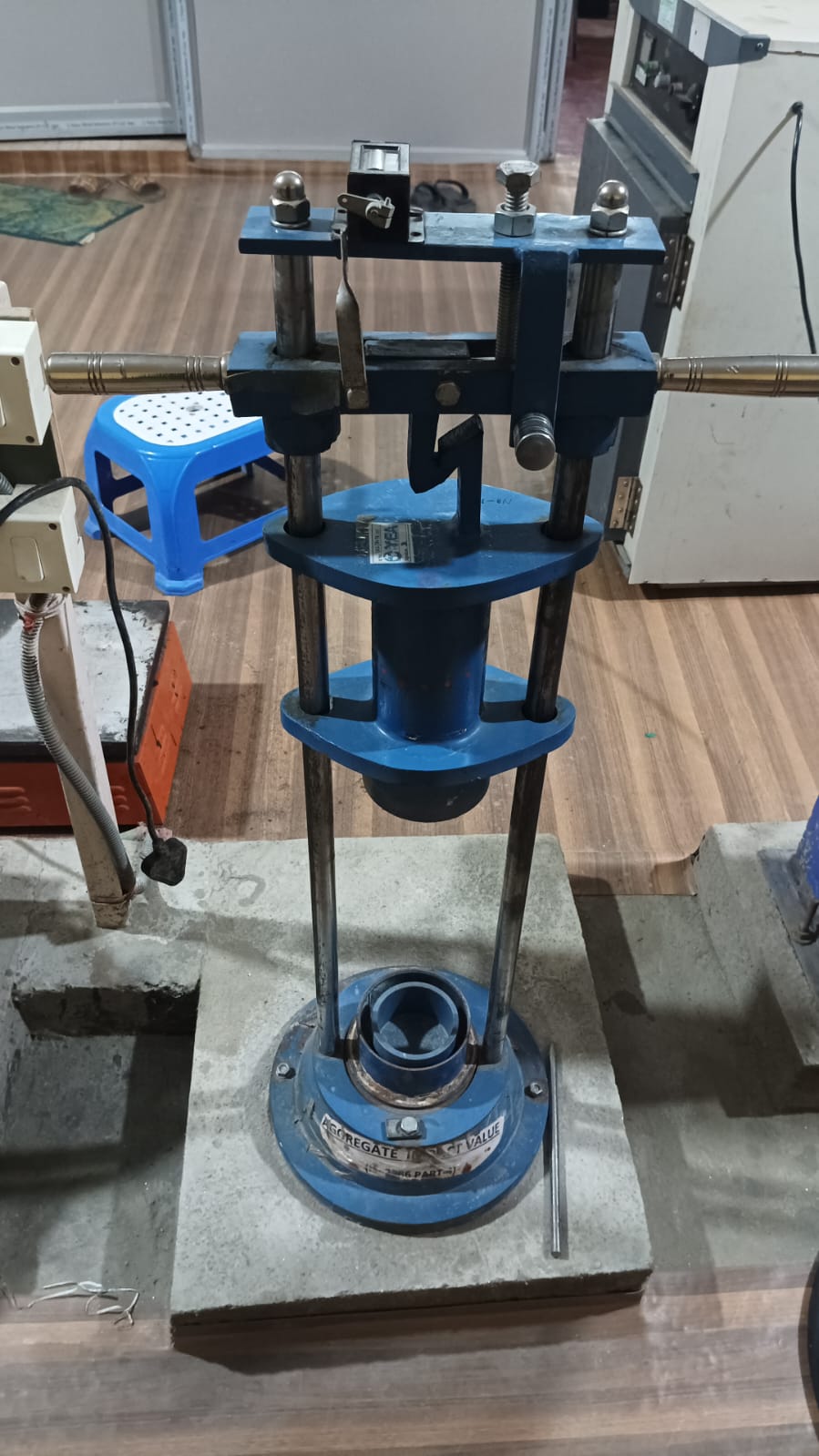
Water Absorption Test of Coarse Aggregate — Objective, Procedure & Calculation Water Absorption Test of Coarse Aggregate The Water Absorption Test determines the percentage of water absorbed by coarse aggregates, providing an indication of pore structure, density, and suitability for high-quality concrete and asphalt works. Objective To determine the Water Absorption (%) of a coarse aggregate sample using SSD and Oven-dry mass values. Apparatus Required Tray or suitable container Balance (Capacity ≥ 3 kg, Accuracy 0.5 g) Oven (100–110°C) Cotton cloth Test Procedure 1. Immersion (Saturation) Take at least 2000 g (2 kg) of aggregate. Immerse in clean water for 24 hours to fill internal pores. 2. Saturated Surface Dry (SSD) Condition Remove the sample and wipe gently with a cotton cloth. Ensure no visible free water film remains on the surface. Weigh the sample → SSD Mass (A). 3. Oven Drying Place SSD sample in oven at 100–110°C for 24 hours. Cool it and weigh → Oven‑Dry Mass (B). 4. Repeat Trial Repeat the procedure on another sample and take the average. Calculation Water Absorption (%) = (A − B) / B × 100 Where: A = SSD Mass of aggregate B = Oven‑Dry Mass of aggregate Example If: A (SSD Mass) = 2045 g B (Oven-Dry Mass) = 2000 g Water Absorption (%) = (2045 − 2000) / 2000 × 100 = 45 / 2000 × 100 = 2.25% Importance in Construction Mix Design Adjustments: Highly absorptive aggregates steal mix water → affects workability. Durability: Higher absorption = higher porosity → weaker freeze-thaw and weathering resistance. ✔️ Typical Acceptable Limits Aggregate Type Max Water Absorption (%) Coarse Aggregate (Normal concrete) ≤ 2% Fine Aggregate (Sand) ≤ 3% For high-performance or severe exposure concrete, stricter limits may apply. Background & Standard Reference The Water Absorption Test is covered under IS 2386 (Part 3) – Specific Gravity, Density, Voids, Absorption and Bulking. This test provides insight into the internal pore structure of aggregates, which directly affects concrete durability, water demand, and long‑term performance. Aggregates with excessive pores tend to absorb more water, which may lead to reduced compressive strength and increased shrinkage. By determining absorption, engineers calibrate mix water content accurately to achieve the target workability and strength parameters. Factors Affecting Water Absorption Aggregate Type: Crushed rock typically has lower absorption than natural aggregates. Surface Texture: Rough, angular particles may retain more surface moisture. Pore Structure: Aggregates with interconnected pores have higher absorption levels. Weathering: Older, weathered aggregates tend to be more porous. Mineral Composition: Some minerals inherently exhibit higher porosity. Significance of SSD Condition The SSD (Saturated Surface Dry) condition is critical because it represents the state where internal pores are full of water while the exterior surface is dry. This allows mix water calculations to remain accurate. If aggregates are not brought to SSD before batching, they either absorb mix water (leading to lower workability) or contribute excess water (making the mix too wet). The SSD condition ensures correct water‑cement ratio, the single most important factor governing concrete strength. Impact on Concrete Performance Water absorption is directly linked to aggregate quality. Aggregates with low absorption are denser and more durable, making them suitable for high‑strength and long‑life structures. On the other hand, aggregates with high absorption may lead to increased permeability, reduced freeze‑thaw resistance, and potential durability issues. Additionally, when absorption is high, the concrete mix becomes unpredictable without proper adjustments, affecting slump, cohesiveness, and compaction. Precautions Ensure aggregates are completely submerged during the 24‑hour soaking period. Wipe surface moisture gently—over‑drying may lead to inaccurate SSD readings. Do not exceed oven temperature beyond 110°C to avoid thermal damage. Use a calibrated balance for precise mass measurements. Allow oven‑dry samples to cool in a desiccator if available, to prevent moisture uptake from air. Notes for Field Engineers In site conditions, aggregates stored in open yards exhibit varying levels of moisture. Regular absorption testing helps determine free moisture correction during batching to maintain consistent mix quality. For automated batching plants, entering accurate absorption values ensures the batching software adjusts water content correctly. This prevents issues such as plastic shrinkage, excessive bleeding, or segregation in fresh concrete. IS Code References IS Code Description IS 2386 (Part 3) Methods of Test for Aggregates – Specific Gravity, Density, Voids & Water Absorption IS 383 Specification for Coarse and Fine Aggregates for Concrete IS 456 General concrete requirements & material quality guidance Frequently Asked Questions (FAQ) 1. What is a good water absorption value for coarse aggregates? For most concrete works, water absorption should be ≤ 2%. Lower values indicate denser and more durable aggregates. 2. Why is SSD condition important? SSD ensures that aggregate pores are filled without free surface water. This prevents errors in mix design water calculations. 3. Can high water absorption affect concrete strength? Yes. Aggregates with high absorption draw water from the concrete mix, reducing effective W/C ratio and causing poor workability and potential strength loss. 4. How often should this test be performed? Typically during material approval and periodically during construction to ensure consistent aggregate quality. 5. Do different rocks have different absorption characteristics? Yes. Dense rocks like basalt and granite have low absorption. Porous rocks like sandstone and lightweight aggregates have higher absorption. Related Aggregate Tests for Highway & Concrete Works Explore detailed test procedures, calculations and acceptance criteria as per IS, MoRTH & IRC specifications: ✅ Aggregate Impact Value (AIV) Test – Toughness of Aggregates ✅ Los Angeles Abrasion Test – Wear & Abrasion Resistance ✅ Aggregate Crushing Value (ACV) Test – Strength Evaluation ✅ Flakiness & Elongation Index Test – Shape Characteristics ✅ Water Absorption Test – Durability & Porosity Check Pro Tip: Use AIV, ACV, Los Angeles Abrasion, and Shape & Water Absorption Tests together to ensure aggregate suitability for bituminous layers & cement concrete as per MoRTH Section 400 & 500.
Water Absorption Test Read More »

Aggregate Crushing Value Test

Aggregate Crushing Value Test — Procedure, Calculation & Limits | QC for Pavements Aggregate Crushing Value (ACV) Test — Procedure, Calculation & Acceptance Limits Quick lab method for QC of aggregates used in concrete pavements — Field & Lab Overview The Aggregate Crushing Value (ACV) test measures the resistance of an aggregate sample to crushing under a gradually applied compressive load. The result helps determine suitability of aggregates for different pavement layers and wearing surfaces. Apparatus Item Specification / Notes Steel cylindrical measure Internal diameter 115 mm, height 180 mm Plunger / piston Diameter 150 mm (for main apparatus) Tamping rod Diameter 16 mm (rounded end), length 450–600 mm Balance Capacity ≈ 3 kg with 0.01 g accuracy Compressive testing machine 40 tonnes capacity, uniform loading rate 4 tonnes/min IS sieves 12.5 mm, 10 mm, and 2.36 mm Sample Selection & Preparation Use aggregate passing 12.5 mm and retained on 10 mm IS sieve. Ensure the aggregates are surface-dry (no visible free moisture). Sample weight: as required by the cylinder capacity — record dry weight (W1). Procedure (Step-by-step) Fill the cylindrical measure in three approximately equal layers. Tamp each layer 25 times using the rounded end of the tamping rod. After the third layer, level off the surface using the tamping rod as a straight edge. Insert the plunger carefully so it rests level on the sample surface. Place the cylinder & plunger assembly on the compression testing machine. Apply load at a uniform rate of 4 tonnes per minute until the total load reaches 40 tonnes, then release the load. Remove crushed material and sieve through a 2.36 mm IS sieve; collect fines that pass the sieve. Weigh the portion passing 2.36 mm (W2). Repeat the test on a second sample and record both W2 values. Calculation Aggregate Crushing Value (ACV) is the percentage ratio of crushed fines to the total sample weight. Aggregate Crushing Value = (W2 / W1) × 100 Where: W1 = Total dry weight of sample W2 = Weight of material passing 2.36 mm IS sieve Report: Mean of two test results Results & Reporting Report the mean of the two test values as the final ACV for the aggregate sample. Include: Sample identification and date Apparatus used and calibration status W1 and W2 values for both trials and the mean ACV Any deviations from standard procedure Acceptance Limits Application Maximum ACV (%) Cement concrete pavements 30 Wearing surfaces 45 Frequently Asked Questions Why do we use a 2.36 mm sieve for fines? 2.36 mm is the standard IS limit for defining crushed fines in this test — it provides a consistent basis to compare strength characteristics across aggregate sources. What if my aggregate grading differs? If grading is outside the specified range (12.5–10 mm) use a representative fraction or follow the standard practice for coarse/fine fractions as specified in the relevant code. Notes & Best Practices Always run two trials and report the mean to reduce random error. Ensure the compression machine platen and the plunger are clean and parallel before applying load. Record ambient conditions and any visible degradation of sample during handling. Quick Checklist Aggregate: 12.5–10 mm Tamping: 25 blows/layer Loading: 4 t/min to 40 t Sieve for fines: 2.36 mm Acceptable ACV: <=30% (concrete pavements) Useful snippets <strong>ACV = (W2 / W1) × 100</strong> Use this procedure Related Aggregate Tests for Highway & Concrete Works Explore detailed test procedures, calculations and acceptance criteria as per IS, MoRTH & IRC specifications: ✅ Aggregate Impact Value (AIV) Test – Toughness of Aggregates ✅ Los Angeles Abrasion Test – Wear & Abrasion Resistance ✅ Aggregate Crushing Value (ACV) Test – Strength Evaluation ✅ Flakiness & Elongation Index Test – Shape Characteristics ✅ Water Absorption Test – Durability & Porosity Check 📌 Pro Tip: Use AIV, ACV, Los Angeles Abrasion, and Shape & Water Absorption Tests together to ensure aggregate suitability for bituminous layers & cement concrete as per MoRTH Section 400 & 500.

Aggregate Crushing Value Test Read More »

los-angeles-abrasion-test-apparatus.jpg

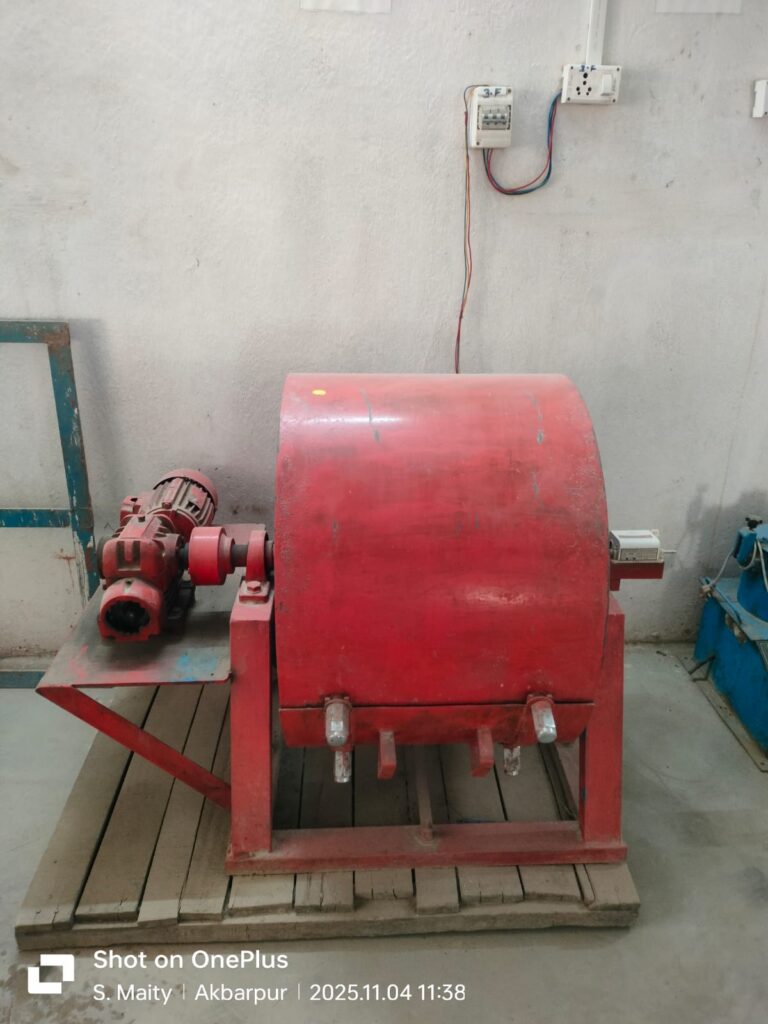
Los Angeles Abrasion Test IS 2386 Part IV

Los Angeles Abrasion Test – Procedure, Grading & Limits (IS 2386) Highway Quality Test › Aggregate Tests Los Angeles Abrasion Test – Step-by-Step Procedure (IS 2386 Part IV) The Los Angeles Abrasion Test determines the resistance of aggregates to abrasion, wear and impact. It is one of the most important quality control tests for highway pavements and concrete works. The test is carried out as per IS 2386 (Part IV) and referenced in MoRTH Specifications (5th Revision, 2013). Step 1 – Purpose of the Test To assess the toughness and abrasion resistance of aggregates when subjected to mechanical wear. Aggregates with lower abrasion values are stronger and more durable. Step 2 – Apparatus Required Los Angeles Abrasion Machine – steel drum rotating at 30–33 rpm Steel Balls (Abrasive Charge) Diameter: 48 ± 2 mm Weight per ball: 390–445 g Hardness: 400–450 HB IS Sieves: 80, 63, 50, 40, 25, 20, 12.5, 10, 6.3 and 1.70 mm Balance: accuracy up to 1 g Oven: capable of maintaining 105–110°C Step 3 – Sample Preparation Take clean aggregates of the required size as per grading. Dry the sample in an oven at 105–110°C to constant weight. Weigh a total of 5000 g of aggregates. Step 4 – Selection of Grading (A–G) Aggregates are classified into grading groups based on nominal size. The grading determines the number of revolutions and steel balls used. Grading Aggregate Size (mm) Sample Weight (g) Revolutions Typical Use A 63–50 5000 500 GSB / Sub-base B 50–40 5000 500 WMM Base C 40–25 5000 500 DBM Base D 25–20 5000 500 Bituminous Macadam E 20–12.5 5000 1000 Bituminous Concrete F 12.5–10 5000 1000 SMA / OGPC G 10–6.3 5000 1000 Seal Coat Step 5 – Steel Ball Requirement Grading No. of Steel Balls Total Weight (g) A 12 5000 ± 25 B 11 4584 ± 25 C 8 3330 ± 20 D 6 2500 ± 15 E 12 5000 ± 25 F 12 5000 ± 25 G 12 5000 ± 25 Step 6 – Test Procedure Place aggregates and steel balls into the drum. Rotate the drum at 30–33 rpm. Run for the specified number of revolutions. Discharge the material and sieve through 1.70 mm sieve. Weigh material retained on sieve (B). Step 7 – Calculation Los Angeles Abrasion Value (%) = ((A − B) / A) × 100 Where: A = Original weight of sample (g) B = Weight retained on 1.70 mm sieve (g) Step 8 – Interpretation Lower abrasion value indicates tougher aggregates with better resistance to wear and longer pavement life. Step 9 – Permissible Limits (MoRTH 2013) Base / Sub-base: ≤ 45% Bituminous Layers: ≤ 35% Wearing Courses: ≤ 30% Frequently Asked Questions (FAQ) Which IS code specifies this test? IS 2386 (Part IV). What is sample weight? 5000 g. Machine speed? 30–33 rpm. Final sieve size? 1.70 mm. Lower value means? Better quality aggregate. © 2025 Highway Quality Test • Author: Kishor Kumar • Reference: IS 2386 (Part IV) & MoRTH (5th Revision, 2013) Related Aggregate Tests for Highway & Concrete Works Explore detailed test procedures, calculations and acceptance criteria as per IS, MoRTH & IRC specifications: ✅ Aggregate Impact Value (AIV) Test – Toughness of Aggregates ✅ Los Angeles Abrasion Test – Wear & Abrasion Resistance ✅ Aggregate Crushing Value (ACV) Test – Strength Evaluation ✅ Flakiness & Elongation Index Test – Shape Characteristics ✅ Water Absorption Test – Durability & Porosity Check 📌 Pro Tip: Use AIV, ACV, Los Angeles Abrasion, and Shape & Water Absorption Tests together to ensure aggregate suitability for bituminous layers & cement concrete as per MoRTH Section 400 & 500.

Los Angeles Abrasion Test IS 2386 Part IV Read More »

Scroll to Top
WhatsApp