Highway Construction Methodology

Step-by-step construction methodology of all highway layers and activities — Subgrade, GSB, WMM, DBM, and BC — explained as per MoRTH 5th Revision with testing requirements, quality control, and layer-wise procedures.

Clearing & Grubbing (C&G)

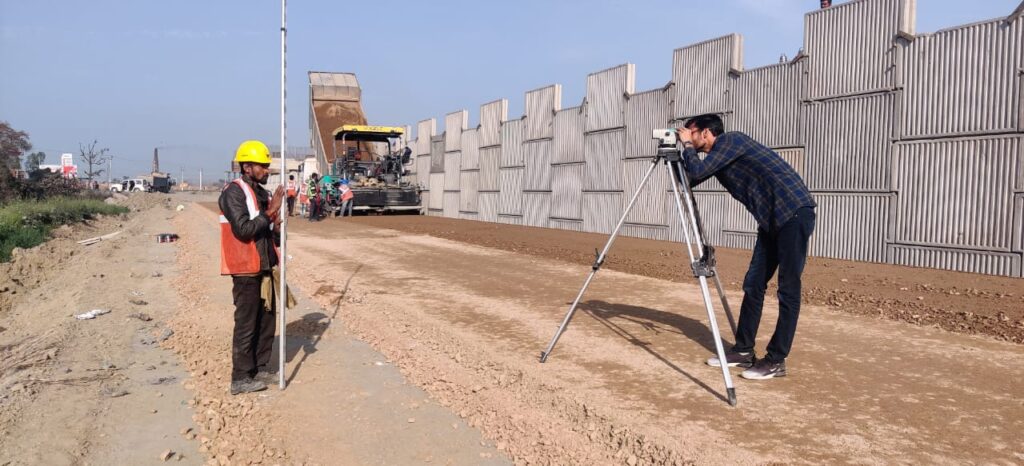
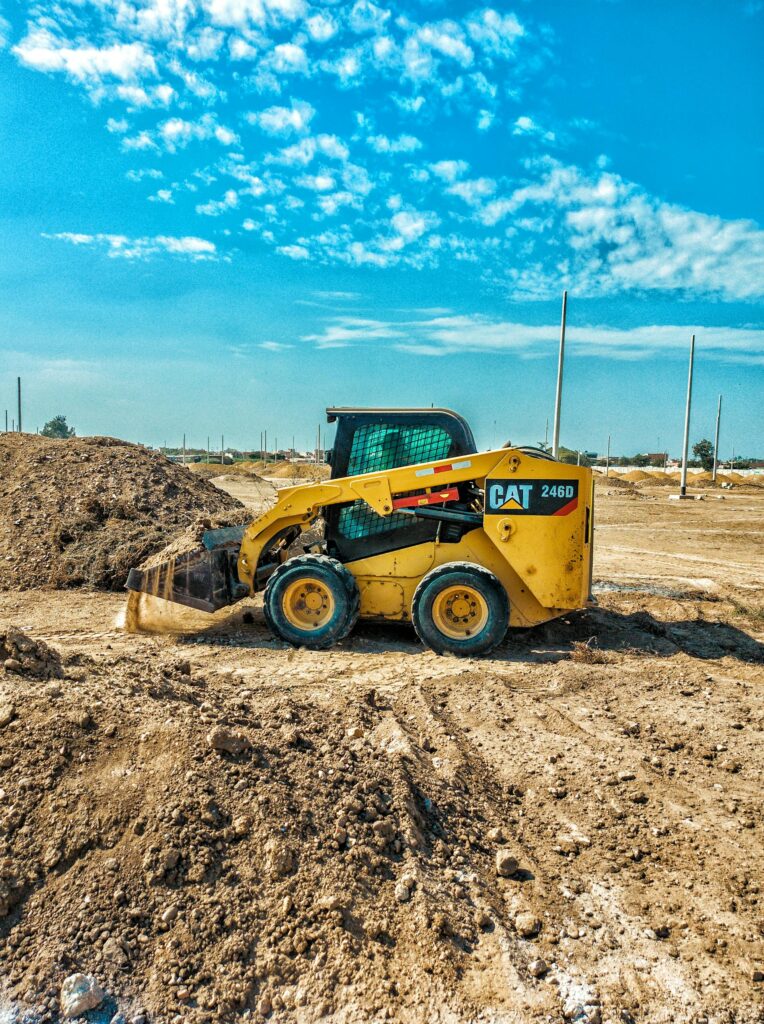
Clearing and Grubbing – Methodology (MoRTH Clause 201) | Highway Construction 1. Scope of Work Clearing and Grubbing is the first activity before earthworks. It covers removal and disposal of vegetation including trees (up to 300 mm girth), bushes, shrubs, stumps, roots, grass, weeds, rubbish and top organic soil up to 150 mm thick. The scope includes draining stagnant water, backfilling pits created by uprooting trees and compacting to required density as per MoRTH Clause 305.3.4. Works must be completed prior to embankment or subgrade construction. 2. Measurement of Tree Removal Each tree is measured by girth (circumference) at 1.0 m above ground (or at top of stump if stump height < 1.0 m). Trees are recorded in a Tree Enumeration Register and approved by the Engineer prior to cutting. Girth (mm) Category Notes Above 300 to 600 Small Removed by manual or light machinery (JCB/tractor). Above 600 to 900 Medium Requires mechanical uprooting (excavator). Above 900 to 1800 Large Heavy equipment and skilled handling needed. Above 1800 Extra-large Staged cutting, deep excavation and special safety precautions. Example: If you have 5 small, 3 medium, 2 large and 1 extra-large tree in a chainage, record each category separately for measurement and payment. 3. Reference Documents Ministry of Road Transport & Highways (MoRTH) Specifications — Clause 201 Concession Agreement / Contract Documents 4. Preservation of Property & Amenities Protect roadside utilities, structures and trees marked for retention. Use erosion-control measures such as berms, dykes, sediment basins, slope drains or temporary turfing to prevent runoff and pollution as per MoRTH 201.2. 5. Equipment Grader / Dozer Excavator / JCB Tipper / Tractor Trolley Roller Water Tanker Survey Kit 6. Method of Operation Establish the toe line jointly (Concessionaire & EPC Contractor) using approved alignment and levels. Prepare & approve Tree Enumeration for trees >300 mm girth before cutting. Remove trees <= 300 mm girth, stumps and roots by manual or mechanical means. Use grader, dozer and excavator to clear shrubs, grass and top organic soil (≤150 mm) unsuitable for use. Ensure no stumps/roots remain within 500 mm of subgrade. Trim overhanging branches for safety and visibility. Backfill pits with approved material and compact to specified density. Record Original Ground Level (OGL) after compaction and handover for earthworks. 7. Disposal of Materials Dispose unserviceable material at Engineer-approved sites. Stack serviceable timber, stumps and boulders neatly within a 1000 m lead for salvage or auction as per contract instructions. 8. Safety Deploy minimum two flagmen with reflective vests and red flags to control traffic near works. Provide visible warning signs and barricades at all locations adjacent to the existing road. No machine shall be left unattended on carriageway or shoulder unless secured. Safety Officer to make regular patrols and ensure signage and safeguards remain operational. 9. Environmental Safety Dispose deleterious materials only at approved dumping locations. Keep vehicle tracks moist and sprinkle water to control dust emissions during movement and operations. 10. Quick RFI Checklist (for Site Execution) Use this short checklist to raise Requests for Information (RFI) before starting works: Confirm toe-line / ROW limits for clearing. Approve Tree Enumeration (trees >300 mm). Identify disposal locations for unserviceable material. Confirm stacking area for salvage (≤1000 m lead). Approve compaction method & OGL survey procedure. Summary Clearing and Grubbing under MoRTH Clause 201 is a critical pre-construction activity that readies the site for durable highway works. Proper measurement, safe removal, controlled disposal and environmental measures ensure compliance, safety and long-term performance of pavement works. Quick Reference: Clearing & Grubbing (MoRTH Clause 201) Scope: Removal of vegetation, trees, stumps, roots, bushes, grass, weeds, rubbish and top organic soil (≤150 mm) from the construction area. Tree Measurement: Girth measured at 1.0 m above ground (or stump top if stump height <1.0 m); payment per number as per girth category. Tree Girth Categories: 300–600 mm (small), 600–900 mm (medium), 900–1800 mm (large), >1800 mm (extra-large). Equipment Used: Dozer / Grader, Excavator / JCB, Tipper, Roller, Water Tanker, Survey Kit. Operation Sequence: Establish toe line → Tree enumeration → Clearing of vegetation & stumps → Backfilling & compaction → OGL survey. Disposal: Stack serviceable materials (e.g. timber, boulders) within 1000 m; dispose unserviceable debris at approved locations. Safety Measures: Use flagmen, reflective jackets, traffic signs, and ensure no machinery is left unattended on the carriageway. Environmental Controls: Prevent dust emission by sprinkling water and ensure deleterious waste is dumped only at designated sites. Reference Documents: MoRTH Clause 201, Concession Agreement / Contract Documents. Top 10 FAQs – Clearing & Grubbing (MoRTH Clause 201) What is Clearing and Grubbing in road construction? It is the initial site preparation activity that involves removal of vegetation, trees, stumps, roots, bushes, and top organic soil (up to 150 mm thick) before starting earthworks. Why is Clearing and Grubbing important? It ensures a clean, stable, and obstruction-free ground surface for constructing embankment, subgrade, and other pavement layers. How are trees measured for removal? Tree girth is measured at 1.0 m above ground or at the top of the stump (if stump height is less than 1.0 m). What are the categories of tree measurement? (i) 300–600 mm – Small (ii) 600–900 mm – Medium (iii) 900–1800 mm – Large (iv) >1800 mm – Extra-large Which equipment is used for Clearing and Grubbing? Grader, Dozer, Excavator, Tipper, Roller, Water Tanker, and Survey Kit. What happens to the cleared material? Serviceable materials (like timber or boulders) are stacked within 1000 m for reuse or auction, and unserviceable debris is disposed at approved locations. How is environmental safety maintained? Dust control by regular water sprinkling, proper waste disposal, and safeguarding nearby vegetation and structures. What are the key safety measures? Use flagmen with reflective vests, display warning signs, and ensure no machinery is left unattended on the roadway. When is Original Ground Level (OGL) taken? After completion of clearing, grubbing, and compaction of the ground surface. Which documents or standards apply? MoRTH Clause 201, relevant contract or concession agreement, and Engineer’s approved drawings. Prepared by

Clearing & Grubbing (C&G) Read More »

Bituminous Concrete

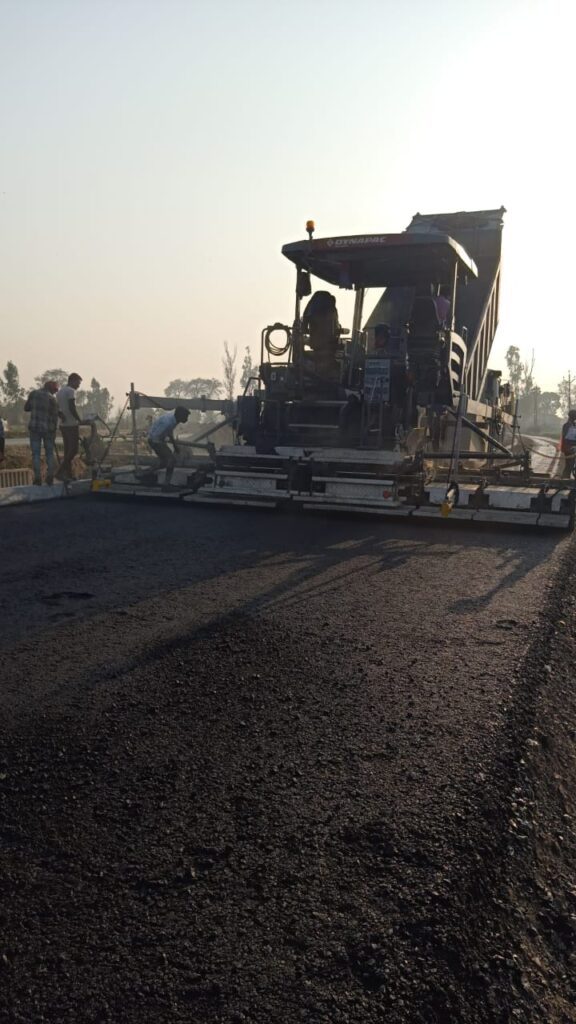
Methodology for Bituminous Concrete (BC) — MoRTH Clause 507 | HighwayQualityTest Methodology for Bituminous Concrete (BC) Clause: MoRTH Clause 507   |   Author: Kishor Kumar   |   Updated: 2025 Quick summary: This methodology covers laying a 30–50 mm single-course Bituminous Concrete (BC) layer on a prepared bituminous bound surface — equipment, materials, mix design (Table 500-17), construction operations, compaction, and quality control (Table 900-3) as per MoRTH. Quick Reference — BC (MoRTH 507) Scope: Lay 30–50 mm BC single course on prepared bituminous bound surface. Bitumen: VG-30 / VG-40 or PMB (as per CA / IS 15462 / IS 73). Typical gradings: Mix 1 — 19 mm NMAS (50 mm); Mix 2 — 13.2 mm NMAS (30–40 mm). Minimum binder: Mix 1 — 5.2%; Mix 2 — 5.4% (by mass of total mix) — see Table 500-17. Field density target: ≥ 92% of Gmm (or ≥98% Marshall density where specified). Scope Bituminous Concrete Construction Methodology is a systematic process of laying a dense bituminous layer over a prepared base or binder course as per MoRTH Clause 509. This layer provides a smooth, durable, and impermeable surface capable of withstanding heavy traffic loads. The methodology includes proper material selection, surface preparation, mixing, laying, compaction, and quality control tests to ensure long-lasting pavement performance. Reference Contract Agreement IRC: SP: 84-2014 MoRTH Specifications for Road & Bridge Works (5th Revision) Relevant Drawings Equipment Crusher of required capacity for aggregates Hot Mix Plant & Batching Plant Paver with sensor arrangement Steel tandem rollers; pneumatic tandem roller Bitumen sprayer, dumpers, air compressor Pegs for levels, mechanical broom, straight edge Thermometers (0–250°C), thickness gauge, survey kit, measuring tape Core cutting machine Materials The source and test report of all materials shall be submitted to the AE for approval prior to use. 1. Bitumen Use bitumen grade as specified in Contract Agreement — VG-30 / VG-40 or PMB conforming to IS 15462 / IS 73. 2. Coarse Aggregates — Table 500-16 (Physical requirements) Property Test Specification Significance Cleanliness (dust) Grain size analysis Max 5% passing 0.075 mm Ensures binder adhesion; low dust content. Particle shape Flakiness & elongation indices (combined) Max 35% Controls particle shape for packing & stability. Strength LA Abrasion / Aggregate Impact Value Max 30% / Max 24% Resistance to crushing and wear. Durability Soundness (Na2SO4 / MgSO4) Max 12% / Max 18% Resistance to weathering & disintegration. Polishing Polished Stone Value Min 55 Skid resistance under traffic. Water absorption Water absorption Max 2% Controls porosity & durability. Stripping Coating & stripping of bitumen-aggregate mix Min retained coating 95% Resistance to bitumen stripping in presence of water. Water sensitivity Retained tensile strength (TSR) Min 80% Moisture damage resistance; use anti-stripping agent if below. Table 500-16 — Physical requirements for coarse aggregate used in BC. 3. Fine Aggregates Fine aggregate shall pass 2.36 mm sieve and be retained on 75 μ. Sand equivalent ≥ 50 (IS:2720 Part 37). Plasticity index (fraction passing 0.425 mm) ≤ 4 (IS:2720 Part 5). 4. Filler — Table 500-9 IS Sieve (mm) Cumulative % Passing 0.6 100 0.3 95–100 0.075 85–100 Table 500-9 — Grading limits for mineral filler (MoRTH). 5. Aggregate Grading & Binder Content — Table 500-17 Combined grading of coarse, fine aggregate and filler shall follow Table 500-17 when tested as per IS:2386 Part I. Binder content to be determined per Clause 505.3. IS Sieve (mm) Mix 1 — 19 mm (layer 50 mm) Mix 2 — 13.2 mm (layer 30–40 mm) 45 – – 37.5 – – 26.5 100 – 19 90–100 100 13.2 59–79 90–100 9.5 52–72 70–88 4.75 35–55 53–71 2.36 28–44 42–58 1.18 20–34 34–48 0.6 15–27 26–38 0.3 10–20 18–28 0.15 5–13 12–20 0.075 2–8 4–10 Min Bitumen (% by mass) 5.2 5.4 Table 500-17 — Typical gradation & minimum binder content for BC mixes. Minimum binder corresponds to aggregate Gs=2.7; adjust for actual Gs. Mix Design Requirement: Mixture must meet grading and property requirements of Table 500-17. For modified bitumen, use Marshall method (MS-2). Binder Optimization: Determine optimum binder via Marshall stability tests (MS-2); Fines/Bitumen ratio should be between 0.6 and 1.2. Job Mix Formula (JMF): Prepare JMF per Clause 507.3.3 and submit to AE. Joint testing and approval required. Plant Trials: Conduct plant trials to prove production capability; allowable JMF variations per Table 500-18 (permitted variations listed later). Permissible JMF Variations (Typical) Parameter Permissible variation Aggregate passing 19 mm or larger ±7% Aggregate passing 13.2 mm / 9.5 mm ±6% Aggregate passing 4.75 mm ±5% Aggregate passing 2.36 / 1.18 / 0.6 mm ±4% Aggregate passing 0.3 / 0.15 mm ±3% Aggregate passing 0.075 mm ±1.5% Binder content ±0.3% Mixing temperature ±10°C Construction Operation 1. Weather & Seasonal Limitations Do not lay BC during rain, fog, dust storms, or when base is damp. Avoid work when shade temperature ≤ 10°C as per MoRTH. 2. Preparation of Base Ensure base is clean, dry and primed/tack coated. Remove dust by sweeping and compressed air. 3. Tack Coat Apply tack coat per MoRTH Clause 503. Ensure uniform application rate (check trays) and adhesion. 4. Preparation & Transportation of Mix Produce BC mix in hot mix plant (twin shaft pug mill recommended). Transport in covered tippers to maintain temperature and avoid spillage. 5. Spreading Discharge mix into paver hopper; use sensor-guided paver to control line & level. Cut transverse/longitudinal joints vertically and apply hot binder on joints before placement. 6. Rolling & Compaction Rolling should begin immediately behind the paver at speeds ≤ 5 km/h. Sequence established during trial stretch. Complete compaction before temperature falls below minimum rolling temperature. Initial / breakdown: 80–100 kN smooth wheeled roller. Intermediate: 8–10 ton vibratory roller OR 12–15 ton pneumatic roller (nine wheels, min tire pressure 5.6 kg/cm²). Finish: 6–8 ton smooth wheeled tandem roller (number of passes per trial bed). Keep roller wheels moist to prevent adhesion; roll longitudinally from edges to center; on superelevation roll from lower to upper edge. Where rollers cannot reach (kerbs/forms), use mechanical tampers or plate compactors. Rectify any

Bituminous Concrete Read More »

Tack Coat

Top 8 Proven Steps for Tack Coat Methodology | As per MoRTH Clause 503 (5th Revision) Top 8 Proven Steps for Tack Coat Methodology (As per MoRTH Clause 503 – 5th Revision) 1. Scope The work covers the application of a single uniform coat of bituminous binder (tack coat) over an existing primed or bituminous surface to ensure a strong bond between successive pavement layers, as per MoRTH Clause 503. 2. Reference Standards MoRTH Specifications, Clause 503 (5th Revision) IRC: SP: 84-2014 – Specifications & Standards for Road Works IS: 8887 – Specification for Bitumen Emulsion IS: 1203 – Determination of Penetration of Bituminous Materials 3. Materials The tack coat shall consist of Rapid-Setting (RS-1 or RS-2) Cationic Bitumen Emulsion conforming to IS 8887. The material shall be approved by the Engineer based on the manufacturer’s test certificate and on-site verification. 4. Equipment Calibrated bitumen pressure distributor Air compressor or blower Mechanical broom for cleaning surface Thermometer and spray bar adjustment system 5. Preparation of Surface The surface shall be free from dust, dirt, and loose material. If required, the surface shall be lightly swept and blown using an air compressor. The surface must be dry before tack coat application. 6. Application of Tack Coat 0.20–0.25 kg/m² on existing bituminous surfaces 0.25–0.30 kg/m² on primed granular surfaces The bitumen pressure distributor shall ensure even spraying without streaking or overlapping. Spray bar height and pressure must be calibrated before use. 7. Curing and Protection After application, allow the tack coat to “break” (turn from brown to black) — usually within 30 minutes. No traffic or construction equipment shall move over the surface until the emulsion has fully broken and become tacky. 8. Quality Control and Inspection Check spray rate and coverage using tray test. Ensure temperature and viscosity of emulsion are within specification. Confirm uniform application and absence of streaks or missed patches. Previous Step → Prime Coat Methodology (MoRTH Clause 502) Next Step → Dense Bituminous Macadam (DBM) Construction Methodology 📘 View Official MoRTH Specification (5th Revision) → 🏗️ Highway Construction Methodology Hub Standard construction methodologies for highway works as per MoRTH 5th Revision and IRC Specifications. ✅ Earthwork Methodology ✅ Clearing & Grubbing Methodology ➡️ ✅ Embankment Construction Methodology ➡️ ✅ Flyash Embankment Construction Methodology ➡️ ✅ Subgrade Construction Methodology ➡️ ✅ Granular Work Methodology ✅ Granular Sub-Base (GSB) Methodology ➡️ ✅ Wet Mix Macadam (WMM) Methodology ➡️ ✅ Bituminous Work Methodology ✅ Prime Coat Application Methodology ➡️ ✅ Tack Coat Application Methodology ➡️ ✅ Dense Bituminous Macadam (DBM) Methodology ➡️ ✅ Bituminous Concrete (BC) Methodology ➡️ ✅ Profile Corrective Course of DBM ➡️ ✅ Use of Waste Plastic in Bitumen ➡️ ✅ Use of Waste Plastic in Road Construction ➡️ ✅ Thermoplastic Road Marking Methodology ➡️ ✅ Concrete Methodology ✅ Dry Lean Concrete (DLC) Methodology ➡️ ✅ PQC Road Construction Methodology ➡️ ✅ Kerb Construction Methodology ➡️

Tack Coat Read More »

Prime Coat

Top 8 Proven Steps for Prime Coat Application over WMM | As per MoRTH Clause 502 Methodology for Prime Coat over Wet Mix Macadam (WMM) Quick Summary: The Prime Coat is a thin application of bituminous emulsion over the prepared Wet Mix Macadam (WMM) base to promote bonding with the bituminous layer. As per MoRTH Clause 502, the primer shall be applied at a rate of 0.7–1.0 kg/m² using a mechanical sprayer on a dry, clean surface. Read complete process → Scope The work includes applying a single coat of low-viscosity bituminous emulsion on the prepared WMM surface before laying the Dense Bituminous Macadam (DBM) or Bituminous Concrete (BC). Application shall not be done if the surface is wet, during rain, fog, or if ambient temperature is below 10°C. Reference Standards MoRTH Specifications – 5th Revision, Clause 502 IRC:SP:84–2014 IS:8887 – Bitumen Emulsion Specification Contract Agreement and Approved Drawings Materials The bituminous material used for priming shall be a cationic bitumen emulsion (SS-1 or MS-1) conforming to IS:8887. The grade shall be approved by the Engineer and accompanied by valid test certificates. Equipment Required Self-propelled bitumen pressure distributor with calibrated spray bar Air compressor for cleaning the surface Mechanical broom or power sweeper Thermometer and measuring gauge for temperature and spray rate Preparation of Surface The WMM surface must be clean, dry, and free from dust, loose material, or standing water. The surface shall be checked for levels and irregularities before priming. If the surface is excessively dusty, lightly sprinkle water, allow it to dry, and then apply primer. Application Procedure Heat and mix the primer emulsion to the required temperature. Ensure uniform pressure in the distributor before spraying. Apply the emulsion evenly at the rate of 0.7–1.0 kg/m² as per MoRTH Clause 502.2.2. Do not overlap or pool the material; ensure full surface coverage. Curing After application, the primed surface shall be allowed to cure for at least 24 hours to ensure penetration into the base course. During this period, no construction traffic or vehicular movement shall be allowed. Quality Control & Testing Check emulsion quality as per IS:8887 before application. Verify application rate and spray uniformity visually and by tray test. Confirm that the primer has properly penetrated before laying the tack coat. Traffic Management No traffic shall be permitted over the primed surface during curing. If required, temporary diversion roads shall be provided as per MoRTH Clause 112. Quick Reference: Prime Coat over WMM Applicable Clause: MoRTH 5th Revision, Clause 502 Material: Cationic Bitumen Emulsion (SS-1 or MS-1) Application Rate: 0.7–1.0 kg/m² Equipment: Pressure Distributor, Broom, Air Compressor Surface Condition: Clean, dry, dust-free WMM Curing Period: Minimum 24 hours (no traffic) Test Standard: IS:8887 for Bitumen Emulsion Before applying the Prime Coat, ensure the Wet Mix Macadam (WMM) layer is constructed and approved. After priming, proceed with the Tack Coat application as per MoRTH 503. Top FAQs – Prime Coat over WMM What is the purpose of Prime Coat? It binds the granular base (WMM) with the bituminous layer, sealing surface voids and improving adhesion. Which material is used for Prime Coat? Cationic bitumen emulsion of grade SS-1 or MS-1 as per IS:8887. What is the standard application rate? Between 0.7 to 1.0 kg/m² depending on surface texture. How long should the surface cure? Minimum 24 hours or until complete absorption. Can priming be done during rain? No. It must be applied only on dry surfaces with temperature above 10°C. What tests are required? Emulsion quality, spray uniformity, and penetration checks. 🏗️ Highway Construction Methodology Hub Standard construction methodologies for highway works as per MoRTH 5th Revision and IRC Specifications. ✅ Earthwork Methodology ✅ Clearing & Grubbing Methodology ➡️ ✅ Embankment Construction Methodology ➡️ ✅ Flyash Embankment Construction Methodology ➡️ ✅ Subgrade Construction Methodology ➡️ ✅ Granular Work Methodology ✅ Granular Sub-Base (GSB) Methodology ➡️ ✅ Wet Mix Macadam (WMM) Methodology ➡️ ✅ Bituminous Work Methodology ✅ Prime Coat Application Methodology ➡️ ✅ Tack Coat Application Methodology ➡️ ✅ Dense Bituminous Macadam (DBM) Methodology ➡️ ✅ Bituminous Concrete (BC) Methodology ➡️ ✅ Profile Corrective Course of DBM ➡️ ✅ Use of Waste Plastic in Bitumen ➡️ ✅ Use of Waste Plastic in Road Construction ➡️ ✅ Thermoplastic Road Marking Methodology ➡️ ✅ Concrete Methodology ✅ Dry Lean Concrete (DLC) Methodology ➡️ ✅ PQC Road Construction Methodology ➡️ ✅ Kerb Construction Methodology ➡️

Prime Coat Read More »

embankment construction

Embankment Construction

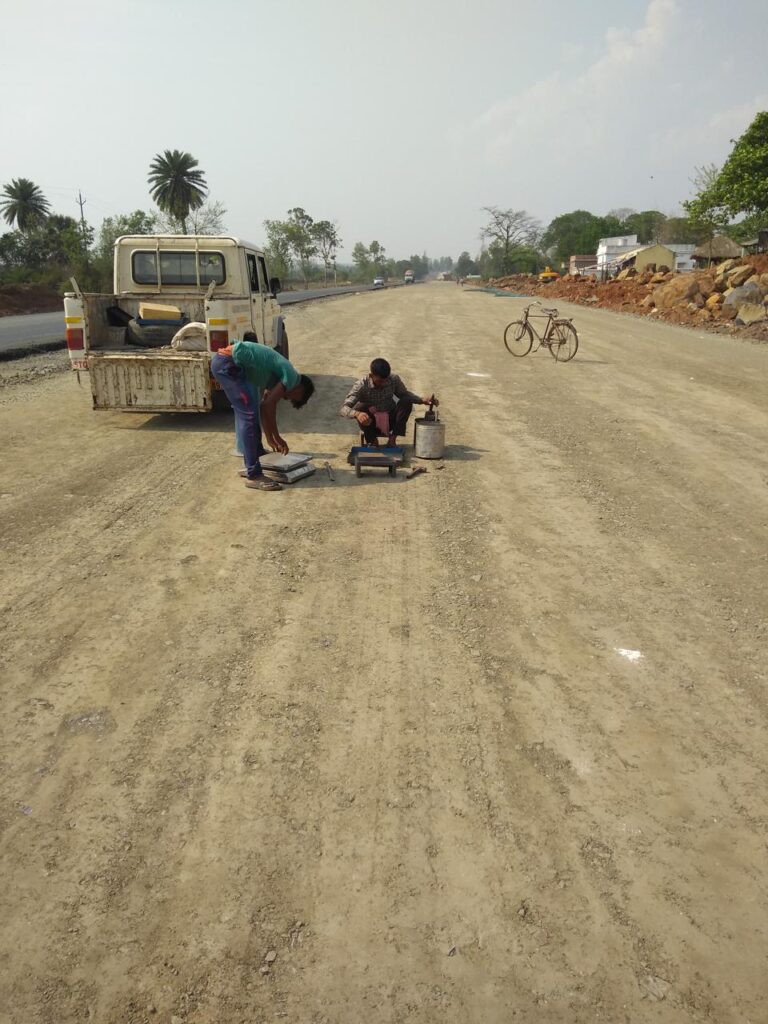
Methodology for Embankment Construction | Highway Quality Test Methodology for Embankment Construction Scope of Work The work shall consist of the construction of embankment with approved and specified materials obtained from approved borrow areas or suitable material obtained from roadway and drain excavation, in accordance with Clause 305 of MoRTH specifications. Reference Contract Agreement IRC: SP: 84-2014 Ministry of Road Transport & Highways Specifications (MoRTH – 5th Revision) Relevant Drawings Setting Out After completion of site clearance, the limits of embankment shall be marked by fixing pegs on both sides at regular intervals. Chainage boards and working bench marks shall be established outside the construction area limits for accurate reference. Selection of Material and Borrow Areas Material The material used in embankment shall be soil, moorum, gravel, reclaimed material from pavement, fly ash, pond ash, or a combination approved by the Engineer. It must be free from logs, roots, rubbish, and any deleterious matter that could affect embankment stability. Preference shall be given to material available from roadway or structure excavation within the project limits. The material shall conform to the requirements of Clause 305.2 of MoRTH Specifications. Borrow Material The borrow material used for embankment or subgrade construction shall comply with Clause 305.2.2.2 and Clause 903.2 of MoRTH. Materials must be tested and verified for suitability before use, ensuring compliance with grading, plasticity, and compaction standards. Test results should confirm that the borrow material meets the requirements for optimum moisture content (OMC), maximum dry density (MDD), and California Bearing Ratio (CBR) prior to approval. Material Testing & Frequency Sl. No. Item Reference Code Frequency 1.1 Sand Content / Gradation IS:2720 (Part 4), MoRTH Clause 903.2 2 Tests / 3000 m³ 1.2 Atterberg’s Limits IS:2720 (Part 5), MoRTH Clause 903.2 2 Tests / 3000 m³ 1.3 Modified Proctor Test (MDD & OMC) IS:2720 (Part 8), MoRTH Clause 903.2 2 Tests / 3000 m³ 1.4 Moisture Content IS:2720 (Part 2) 1 Test / 250 m³ 1.5 CBR Test for Subgrade IS:2720 (Part 16), MoRTH Clause 903.2 1 Test / 3000 m³ 1.6 Free Swell Index Test IS:2720 (Part 40), MoRTH Clause 903.2 1 Test / 3000 m³ Equipment The following equipment shall be used for the construction of embankment as per MoRTH Clause 305: Hydraulic Excavator Dozer Dumper (Tipper Trucks) Motor Grader Vibratory Roller (8–10 tonne) Water Tanker with sprinkler Tractor Trolleys Survey Kit / Instruments Method of Operation Setting Out and Preparation: After site clearance, mark embankment limits with pegs. Keep construction toe line slightly beyond design toe line for proper compaction along edges. Preparation of Original Ground: Level the original ground, sprinkle water, and compact using rollers to achieve minimum dry density. Remove unsuitable soil and replace with approved material in layers compacted to specification. Testing of Natural Ground: The natural ground shall be tested for suitability. If the in-situ dry density is found to be less than 95% of MDD, the surface shall be scarified, moisture content adjusted to OMC, and re-compacted until the specified density is achieved. Spreading of Embankment Material: Spread material in layers: 250 mm for vibratory roller, 200 mm for static roller. Use dozer and grader. For widening, cut benches into old slope for bonding. Moisture Conditioning: Add water using sprinklers and mix with rotavator or grader until uniform near OMC. Over-wet material should dry before compaction. Compaction: Use vibratory (8–10 t) or static roller depending on soil type. Prepare trial section to determine number of passes. Roll in parallel passes overlapping one-third of roller width. Field test density with Sand Replacement Method (IS 2720 Part 28). Subsequent Layers: Place new layers only after previous layer is tested and accepted. Top levels must conform to approved drawings; maintain tolerances per Table 900-1 of MoRTH. Key Quality Control Points Field density ≥95% for embankment, 97% for subgrade. Moisture within ±2% of OMC. Maintain layer thickness uniformity using grader and survey checks. Perform compaction trials for rolling pattern and passes. Field density tested every 500 m² per layer. Ensure side slope protection and drainage before next layer. Prepared by Kishor Kumar | Source references: MoRTH (5th Revision), IS 2720 series, IRC guidelines, and industry practice. For web reference visit HighwayQualityTest.com. 🏗️ Highway Construction Methodology Hub Standard construction methodologies for highway works as per MoRTH 5th Revision and IRC Specifications. ✅ Earthwork Methodology ✅ Clearing & Grubbing Methodology ➡️ ✅ Embankment Construction Methodology ➡️ ✅ Flyash Embankment Construction Methodology ➡️ ✅ Subgrade Construction Methodology ➡️ ✅ Granular Work Methodology ✅ Granular Sub-Base (GSB) Methodology ➡️ ✅ Wet Mix Macadam (WMM) Methodology ➡️ ✅ Bituminous Work Methodology ✅ Prime Coat Application Methodology ➡️ ✅ Tack Coat Application Methodology ➡️ ✅ Dense Bituminous Macadam (DBM) Methodology ➡️ ✅ Bituminous Concrete (BC) Methodology ➡️ ✅ Profile Corrective Course of DBM ➡️ ✅ Use of Waste Plastic in Bitumen ➡️ ✅ Use of Waste Plastic in Road Construction ➡️ ✅ Thermoplastic Road Marking Methodology ➡️ ✅ Concrete Methodology ✅ Dry Lean Concrete (DLC) Methodology ➡️ ✅ PQC Road Construction Methodology ➡️ ✅ Kerb Construction Methodology ➡️

Embankment Construction Read More »

Scroll to Top
WhatsApp