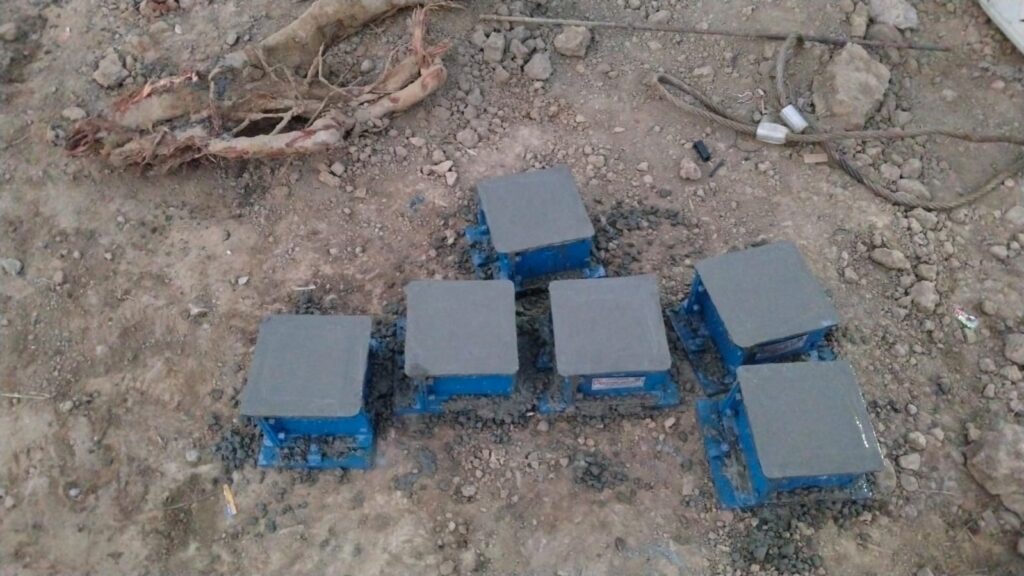
Stripping Value of Aggregate – Complete Guide for Highway Construction
Stripping Value of Aggregate – Procedure, Calculation & Result Interpretation Author: Kishor Kumar · Updated: February 2026 · Read time: ~8 minutes 1. Introduction The Stripping Value Test evaluates the loss of adhesion between bitumen and aggregate in the presence of water. This test is crucial to ensure durable, water-resistant pavements and minimize premature failures. Determines bitumen-aggregate adhesion quality Helps select suitable aggregates for hot mix asphalt (HMA) Predicts susceptibility of pavement to water damage 2. Engineering Significance Stripping of bitumen from aggregates can lead to raveling, potholes, and reduced pavement life. Testing the stripping value identifies weak adhesion and ensures selection of aggregates that will provide long-lasting flexible pavements. 3. Importance of Stripping Value Test Assess aggregate resistance to bitumen stripping under wet conditions Comply with MoRTH and IRC:SP:62 guidelines Ensure durable HMA layers in highways Plan use of anti-stripping agents if necessary Higher stripping values indicate weaker adhesion and potential risk of water damage in pavements. 4. Applications in Highway Construction Selection of coarse aggregates for wearing course layers Checking compatibility of aggregates with bitumen grades Approval of aggregates for DBM and HMA layers Stripping tests are mandatory for NH, SH, PMGSY, and EPC road projects to prevent premature pavement distress. 5. Applicable Standards IS:6241 – Determination of Stripping Value of Aggregates MoRTH Specifications – Hot Mix Asphalt & DBM layers IRC:SP:62 – Guidelines for asphalt mixtures 6. Apparatus Required Aggregate sample sieves and trays Bitumen of specified penetration grade Water bath maintained at 60 ± 1°C Glass containers / beakers Balance and drying oven 7. Test Procedure Heat bitumen to a fluid state and coat aggregate sample thoroughly. Immerse coated aggregate in a water bath at 60°C for 24 hours. Remove aggregates and dry them at 105°C to constant weight. Record initial and final weights to calculate percentage loss of bitumen. 8. Stripping Value Calculation Formula: Stripping Value (%) = ((W1 – W2) / W1) × 100 Initial Weight (W1, g) Final Weight (W2, g) Stripping Value (%) 500 460 8.0 500 450 10.0 Lower stripping values indicate strong adhesion between bitumen and aggregate, ensuring better water resistance. 9. Result Interpretation Stripping Value (%) Aggregate Adhesion Quality < 10% Excellent 10 – 20% Good 20 – 30% Fair > 30% Poor (Not recommended) 10. Field Engineer Notes Ensure uniform bitumen coating for accurate results Maintain water bath temperature precisely at 60°C Use correct aggregate size fraction as per IS:6241 Repeat test for multiple samples and calculate average 11. Common Mistakes Overheating bitumen leading to oxidation Non-uniform coating of aggregates Incorrect water bath temperature Insufficient drying before weighing Always verify equipment calibration and strictly follow IS:6241 guidelines. 12. Stripping Value Excel Sheet ⬇ Download Stripping Value Excel Sheet 13. Who Should Read This Guide? Highway site engineers QA / QC engineers Laboratory technicians Civil engineering students EPC contractors and consultants 14. Conclusion Stripping Value testing is vital for assessing the water resistance of aggregates in bituminous pavements. Accurate testing ensures long-lasting and durable highway surfaces. Frequently Asked Questions What is an acceptable stripping value for aggregates? Less than 10% is excellent; 10–20% is good; above 30% is poor and not recommended. Why is the water bath set at 60°C? This simulates hot climate conditions and accelerates water exposure for evaluating bitumen-aggregate adhesion. Can this test be applied to all aggregate sizes? Only the size fraction specified in IS:6241 should be tested to maintain standardization. Why do stripping results sometimes vary? Variations occur due to bitumen coating method, aggregate type, water bath temperature, and drying accuracy.
Stripping Value of Aggregate – Complete Guide for Highway Construction Read More »