High Embankment Construction Methodology (MoRTH Clause 305)
1. Scope of Work
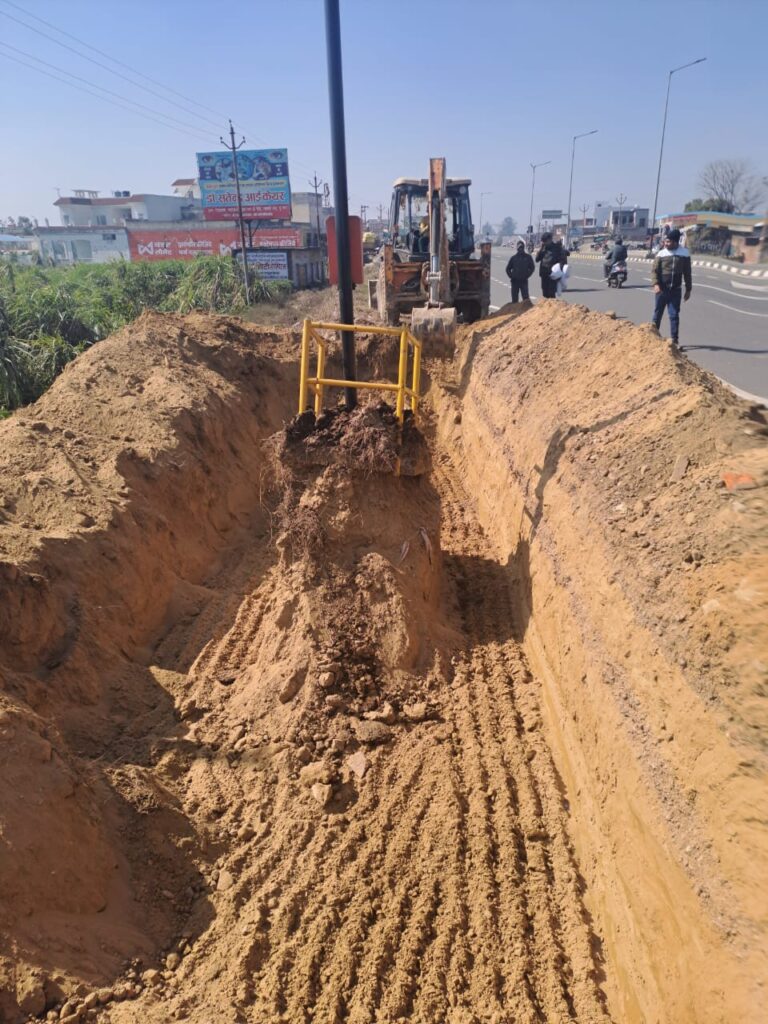
Construction of high embankments and sub-grade using approved materials from designated borrow areas or suitable material from roadway/drain excavation, in accordance with MoRTH Clause 305 including Clause 305.4.7 and related sub-clauses.
2. Reference Standards
- MoRTH Specifications for Road and Bridge Works
- Concession Agreement – Volume I, Schedule D
- Relevant Contract Drawings
- IS 2720 (Part 1 to 28) – Methods of Test for Soils
3. Setting Out
After site clearance, chainage boards and working benchmarks shall be established outside construction limits for accurate alignment and level control.
4. Material Selection and Borrow Areas
4.1 Embankment Material
Material shall be sourced from approved borrow areas. Alternate material requires soil investigations and redesign at contractor’s cost with Engineer’s approval.
4.2 Borrow Area Management
Samples from borrow areas shall be tested as per IS 2720. Approved borrow areas must be properly demarcated.
5. Equipment and Machinery
- Hydraulic Excavator
- Dozer
- Dumper / Tipper Trucks
- Motor Grader
- Vibratory Roller (8–10 Ton)
- Water Tanker
- Tractor Trolleys
- Survey Instruments
6. Construction Methodology
- Site clearance and demarcation of embankment limits.
- Preparation and leveling of original ground.
- Testing natural ground soil for suitability.
- Construction adjacent to existing embankment with proper bonding.
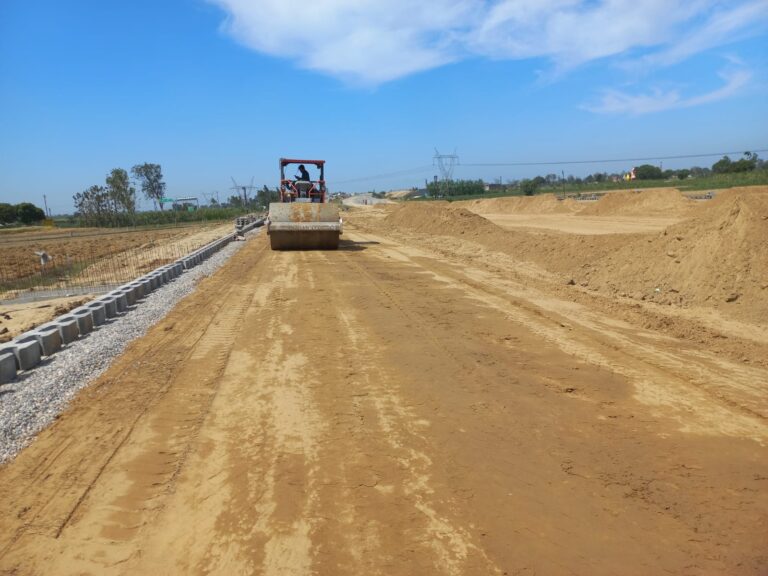
- Spreading embankment material in layers ≤ 200 mm compacted thickness.
- Compaction using 8–10 ton vibratory rollers.
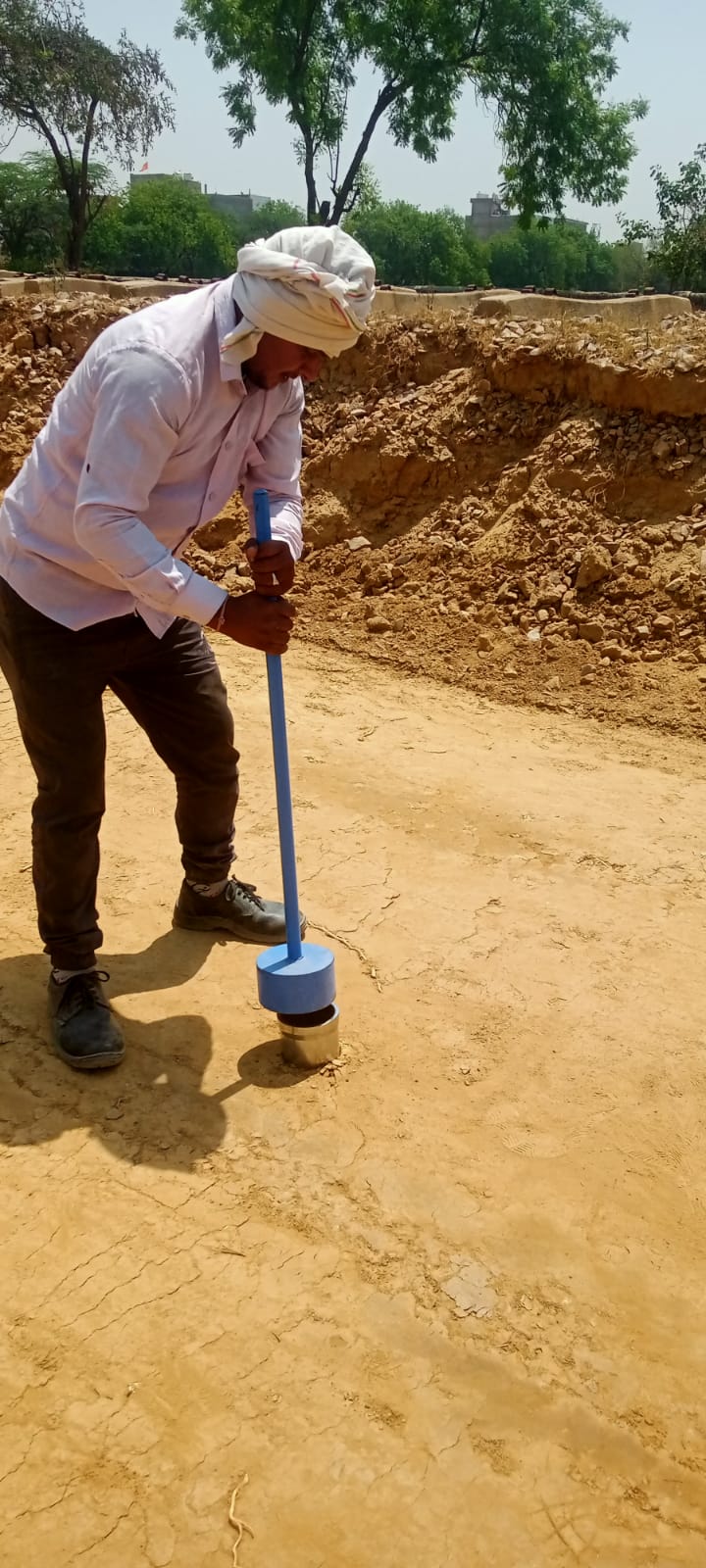
- Field density testing before placing next layers.
7. Quality Control and Testing
Minimum compaction: 95% Modified Proctor for embankment, 97% for sub-grade as per Table 300-2 of MoRTH.
| Test | Standard | Frequency |
|---|---|---|
| Gradation | IS 2720 (Part 4) | 2 / 3000 m³ |
| Atterberg Limits | IS 2720 (Part 5) | 2 / 3000 m³ |
| Modified Proctor | IS 2720 (Part 8) | 2 / 3000 m³ |
| Moisture Content | IS 2720 (Part 2) | 1 / 250 m³ |
| CBR Test | IS 2720 (Part 16) | 1 / 3000 m³ |
| Field Density | IS 2720 (Part 28) | As per norms |
8. Safety Measures
- Installation of traffic and safety signage
- Deployment of flagmen
- Safe parking of machinery
- Restricted access zones
- Continuous monitoring by Safety Officer
9. Environmental Protection
- Protection of nearby water bodies
- Dust suppression using water sprinklers
- Temporary drainage arrangements
- Erosion control measures
10. Quick Reference: High Embankment Construction
- Layer Thickness: Max 200 mm compacted per layer
- Compaction: 95% for embankment, 97% for subgrade
- Material: Approved borrow area or suitable excavation material
- Equipment: Excavator, Dozer, Grader, Vibratory Roller, Tipper, Water Tanker
- Safety: Signage, flagmen, restricted zones, monitored operations
- Environmental: Dust control, drainage, erosion protection
Frequently Asked Questions (FAQ)
What is a high embankment in road construction?
A high embankment is a raised earth structure constructed to achieve required road formation level, drainage, and stability.
Maximum layer thickness?
200 mm compacted per layer unless otherwise approved by Engineer.
Which standards apply?
MoRTH Clause 305 and IS 2720 soil testing standards.