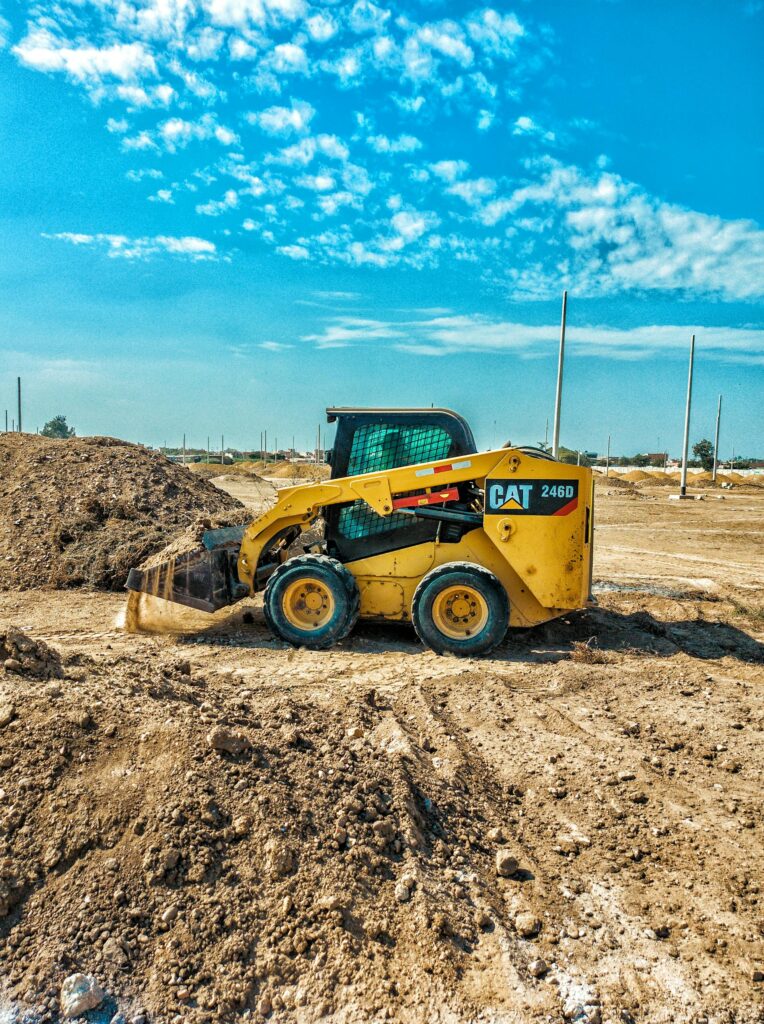

Use of Waste Plastic in Bitumen
Step-by-step guide how to use plastic waste in road construction
Top 9 Proven Steps for Bituminous Concrete (BC) | MoRTH Clause 507 Top 9 Proven Steps for Bituminous Concrete (BC) Construction Quick Summary: Bituminous Concrete (BC) is the final wearing course of flexible pavement laid in 30–50 mm thickness over DBM or bituminous base. Construction shall strictly follow MoRTH Clause 507, including approved mix design, controlled laying temperature, proper compaction and quality control tests. 1. Scope This work covers preparation of surface, tack coat application, production of BC mix, transportation, laying, compaction, joint treatment and quality control testing in accordance with MoRTH Clause 507. 2. Reference Standards MoRTH Specifications – Clause 507 (5th Revision) IRC: SP: 84 – Manual of Specifications IS: 73, IS: 15462 – Bitumen IS: 2386 (All Parts) – Aggregates 3. Equipment Required Hot Mix Plant with automatic controls Sensor paver with electronic screed Tandem vibratory rollers and PTR Bitumen pressure distributor Mechanical broom and air compressor Core cutting machine 4. Materials 4.1 Bitumen VG-30 / VG-40 paving bitumen or modified bitumen conforming to IS:73 / IS:15462, as specified in contract. 4.2 Aggregates Aggregates shall satisfy physical requirements of MoRTH Table 500-16 including impact value, flakiness, elongation and stripping resistance. 4.3 Mineral Filler Cement, hydrated lime or stone dust conforming to MoRTH Table 500-9. 5. Aggregate Grading & Binder Content (Table 500-17) IS Sieve (mm) BC Mix-1 (19 mm) BC Mix-2 (13.2 mm) 19 90–100 100 13.2 59–79 90–100 4.75 35–55 53–71 0.075 2–8 4–10 Min Bitumen (%) 5.2 5.4 6. Mix Design Marshall Mix Design (MS-2) Job Mix Formula approved by Engineer Plant trial mandatory before bulk production 7. Construction Operations 7.1 Surface Preparation Existing surface shall be clean, dry and uniformly tack coated as per MoRTH Clause 503. 7.2 Laying & Compaction Minimum laying temperature: 130°C Rolling sequence: Breakdown → Intermediate → Finish Compaction completed before temperature drops below limit 7.3 Joints Longitudinal and transverse joints shall be cut vertically, painted with hot bitumen and properly compacted. 8. Quality Control Tests (MoRTH Section 900) Test Frequency Aggregate Grading 1 per 400 t (min 2/day) Binder Content 1 per 400 t Marshall Stability 3 per 400 t Density (Core) 1 per 700 m² Acceptance Criteria Minimum field density ≥ 92% of Gmm Surface regularity within specified tolerance No segregation, bleeding or cracking 9. Opening to Traffic Traffic shall be permitted only after cooling of BC surface and written approval from Engineer-in-Charge. FAQs – Bituminous Concrete Where is BC used? As the final wearing course. Thickness? 30–50 mm compacted. Mix design? Marshall Method. What layer below BC? DBM. Previous Layer → DBM Construction 🏗️ Highway Construction Methodology Hub Standard construction methodologies for highway works as per MoRTH 5th Revision and IRC Specifications. ✅ Earthwork Methodology ✅ Clearing & Grubbing Methodology ➡️ ✅ Embankment Construction Methodology ➡️ ✅ Flyash Embankment Construction Methodology ➡️ ✅ Subgrade Construction Methodology ➡️ ✅ Granular Work Methodology ✅ Granular Sub-Base (GSB) Methodology ➡️ ✅ Wet Mix Macadam (WMM) Methodology ➡️ ✅ Bituminous Work Methodology ✅ Prime Coat Application Methodology ➡️ ✅ Tack Coat Application Methodology ➡️ ✅ Dense Bituminous Macadam (DBM) Methodology ➡️ ✅ Bituminous Concrete (BC) Methodology ➡️ ✅ Profile Corrective Course of DBM ➡️ ✅ Use of Waste Plastic in Bitumen ➡️ ✅ Use of Waste Plastic in Road Construction ➡️ ✅ Thermoplastic Road Marking Methodology ➡️ ✅ Concrete Methodology ✅ Dry Lean Concrete (DLC) Methodology ➡️ ✅ PQC Road Construction Methodology ➡️ ✅ Kerb Construction Methodology ➡️
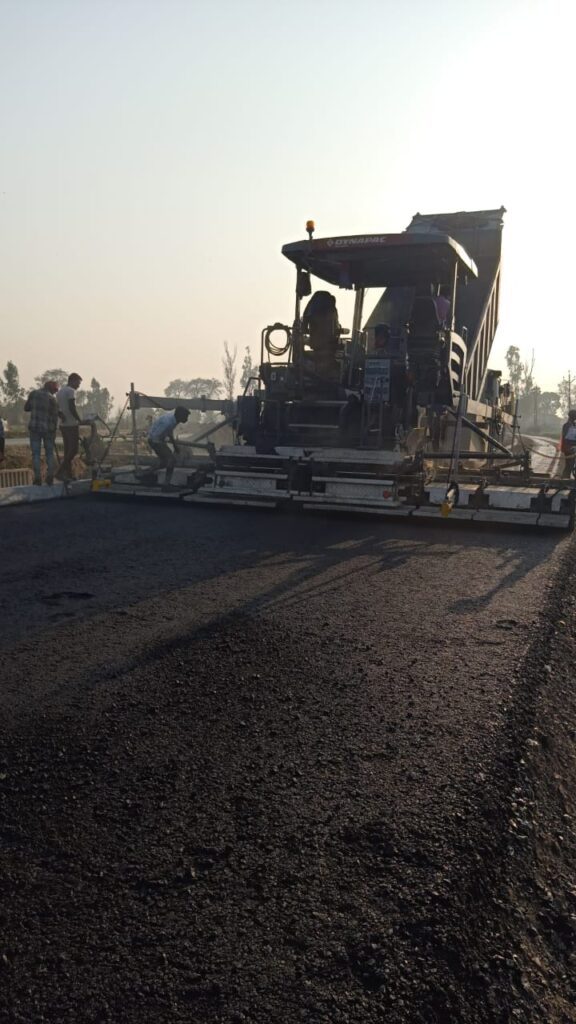
DBM is flexible pavement and composed of coarse aggregates, bitumen, and filler. It provides strength and durability to the road. DBM is laid in one or more layers, typically 50–100 mm thick, ensuring proper compaction and uniformity as per MoRTH Clause 507 specifications.
Tack Coat Methodology as per MoRTH Clause 503 | Highway Quality Test Tack Coat Methodology (MoRTH Clause 503) Author: Kishor Kumar | Category: Bituminous Works | Specification: MoRTH Clause 503 Quick Overview: Tack Coat is a thin application of rapid-setting cationic bitumen emulsion applied over a primed granular layer or existing bituminous surface to ensure proper bonding between pavement layers. Why Tack Coat Is Critical in Pavement Performance Improper tack coat application is one of the most common causes of pavement layer slippage, delamination, and premature cracking. Tack coat ensures shear resistance and structural continuity between successive bituminous layers. Quick Technical Reference Applicable Clause: MoRTH 503 (5th Revision) Material: RS-1 / RS-2 Cationic Bitumen Emulsion Application Rate: 0.20–0.30 kg/m² Surface Condition: Dry, clean, dust-free Traffic Allowance: Only after emulsion breaks Applicable Codes & Specifications MoRTH Specifications – Clause 503 IRC: SP: 84 – Manual of Specifications & Standards IS: 8887 – Bitumen Emulsion for Roads IS: 1203 – Penetration Test (Bituminous Materials) Materials Requirements Material Requirement Bitumen Emulsion RS-1 / RS-2 Cationic, IS:8887 compliant Water Not permitted for dilution unless approved Equipment Required Calibrated bitumen pressure distributor Mechanical broom / air compressor Tray for spray rate check Thermometer and spray bar adjustment system Tack Coat Application Methodology – Step by Step Verify underlying surface condition Remove dust and loose particles Check weather (no rain, dry surface) Calibrate pressure distributor Spray tack coat uniformly at approved rate Avoid streaking and overlapping Allow emulsion to break Proceed with next bituminous layer Application Rates (Acceptance Criteria) Surface Type Application Rate Existing Bituminous Surface 0.20 – 0.25 kg/m² Primed Granular Surface 0.25 – 0.30 kg/m² Curing & Traffic Control Tack coat must be allowed to break (brown to black appearance). No traffic or construction equipment shall be permitted until the surface becomes tacky and non-tracking. Quality Control Checkpoints Stage Check Acceptance Before spraying Surface cleanliness Dry & dust-free During spraying Spray rate Within specified limits After spraying Uniformity No missed patches Common Field Problems & Remedies Streaking: Poor nozzle calibration → clean & adjust spray bar Excess tack: Over-application → recalibrate distributor Peeling layers: Insufficient tack or dusty surface Tracking: Traffic allowed before breaking Safety & Best Practices Use PPE during spraying operations Ensure barricading and traffic diversion Avoid tack coat during rain or fog Maintain daily spray records Frequently Asked Questions (FAQ) What is the purpose of tack coat? To ensure proper bonding between existing and new bituminous layers. Can tack coat be applied on wet surface? No. Surface must be dry and clean. Which emulsion is used for tack coat? Rapid-setting cationic emulsion RS-1 or RS-2 as per IS:8887. How long should tack coat cure? Typically 20–30 minutes until emulsion breaks. Prepared by Highway Quality Engineers | Educational & Site-Reference Content 🏗️ Highway Construction Methodology Hub Standard construction methodologies for highway works as per MoRTH 5th Revision and IRC Specifications. ✅ Earthwork Methodology ✅ Clearing & Grubbing Methodology ➡️ ✅ Embankment Construction Methodology ➡️ ✅ Flyash Embankment Construction Methodology ➡️ ✅ Subgrade Construction Methodology ➡️ ✅ Granular Work Methodology ✅ Granular Sub-Base (GSB) Methodology ➡️ ✅ Wet Mix Macadam (WMM) Methodology ➡️ ✅ Bituminous Work Methodology ✅ Prime Coat Application Methodology ➡️ ✅ Tack Coat Application Methodology ➡️ ✅ Dense Bituminous Macadam (DBM) Methodology ➡️ ✅ Bituminous Concrete (BC) Methodology ➡️ ✅ Profile Corrective Course of DBM ➡️ ✅ Use of Waste Plastic in Bitumen ➡️ ✅ Use of Waste Plastic in Road Construction ➡️ ✅ Thermoplastic Road Marking Methodology ➡️ ✅ Concrete Methodology ✅ Dry Lean Concrete (DLC) Methodology ➡️ ✅ PQC Road Construction Methodology ➡️ ✅ Kerb Construction Methodology ➡️
Top 8 Proven Steps for Prime Coat over WMM | MoRTH Clause 502 Top 8 Proven Steps for Prime Coat over Wet Mix Macadam (WMM) Quick Summary: Prime Coat is a low-viscosity bituminous emulsion applied over WMM to seal pores and ensure strong bonding with the next bituminous layer. As per MoRTH Clause 502, the standard application rate is 0.7–1.0 kg/m². 1. Scope of Prime Coat Prime Coat is applied over a prepared Wet Mix Macadam (WMM) base prior to laying Tack Coat and Dense Bituminous Macadam (DBM). It stabilizes the base and prevents absorption of binder from upper layers. 2. Reference Standards MoRTH Specifications – Clause 502 (5th Revision) IRC: SP: 84 – Manual of Specifications IS: 8887 – Bitumen Emulsion 3. Materials Used Cationic bitumen emulsion SS-1 or MS-1 conforming to IS:8887, approved by the Engineer with valid test certificates. 4. Equipment Required Self-propelled bitumen pressure distributor Mechanical broom or power sweeper Air compressor for dust removal Thermometer and spray gauge 5. Surface Preparation The WMM surface must be clean, dry, and free from loose particles. Light water sprinkling may be done if dusty, followed by adequate drying. 6. Application Procedure Ensure emulsion temperature as recommended. Calibrate the distributor for correct spray rate. Apply Prime Coat uniformly at 0.7–1.0 kg/m². Avoid pooling, streaking, or overlapping. 7. Curing & Traffic Restriction Allow the primed surface to cure for a minimum of 24 hours. No traffic or construction equipment shall be allowed during curing. 8. Quality Control & Inspection Check emulsion quality (IS:8887) Verify spray rate using tray test Confirm proper penetration and uniformity Quick Reference – Prime Coat Clause: MoRTH 502 Material: SS-1 / MS-1 Bitumen Emulsion Rate: 0.7–1.0 kg/m² Surface: Clean, dry WMM Curing: Minimum 24 hours FAQs – Prime Coat over WMM Why is Prime Coat required? It seals WMM pores and improves bonding with bituminous layers. Can Prime Coat be applied on wet surface? No, surface must be completely dry. Is traffic allowed after priming? No traffic until full curing. What comes after Prime Coat? Tack Coat as per MoRTH Clause 503. After Prime Coat curing, proceed with Tack Coat Application followed by DBM Construction. 🏗️ Highway Construction Methodology Hub Standard construction methodologies for highway works as per MoRTH 5th Revision and IRC Specifications. ✅ Earthwork Methodology ✅ Clearing & Grubbing Methodology ➡️ ✅ Embankment Construction Methodology ➡️ ✅ Flyash Embankment Construction Methodology ➡️ ✅ Subgrade Construction Methodology ➡️ ✅ Granular Work Methodology ✅ Granular Sub-Base (GSB) Methodology ➡️ ✅ Wet Mix Macadam (WMM) Methodology ➡️ ✅ Bituminous Work Methodology ✅ Prime Coat Application Methodology ➡️ ✅ Tack Coat Application Methodology ➡️ ✅ Dense Bituminous Macadam (DBM) Methodology ➡️ ✅ Bituminous Concrete (BC) Methodology ➡️ ✅ Profile Corrective Course of DBM ➡️ ✅ Use of Waste Plastic in Bitumen ➡️ ✅ Use of Waste Plastic in Road Construction ➡️ ✅ Thermoplastic Road Marking Methodology ➡️ ✅ Concrete Methodology ✅ Dry Lean Concrete (DLC) Methodology ➡️ ✅ PQC Road Construction Methodology ➡️ ✅ Kerb Construction Methodology ➡️
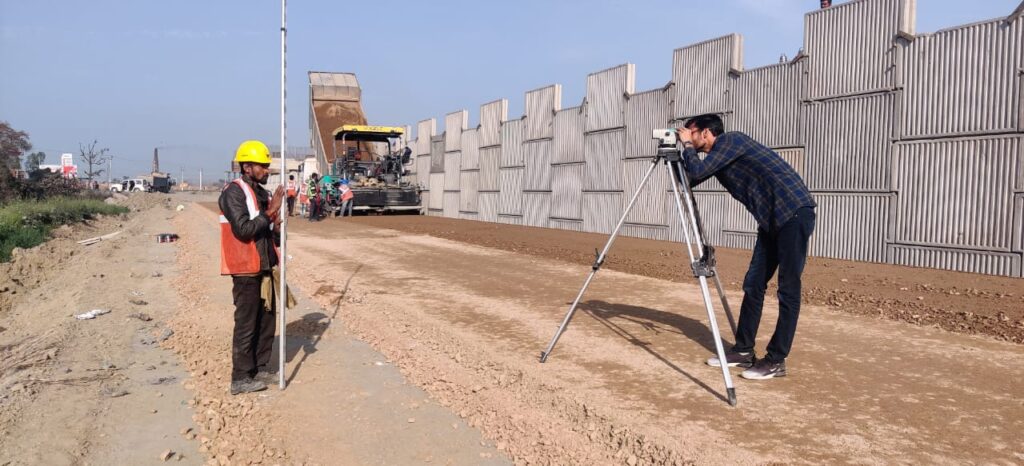
This work shall consist of laying and compacting clean, crushed, grade aggregate and granular material, premixed with water, to a dense mass on a prepared
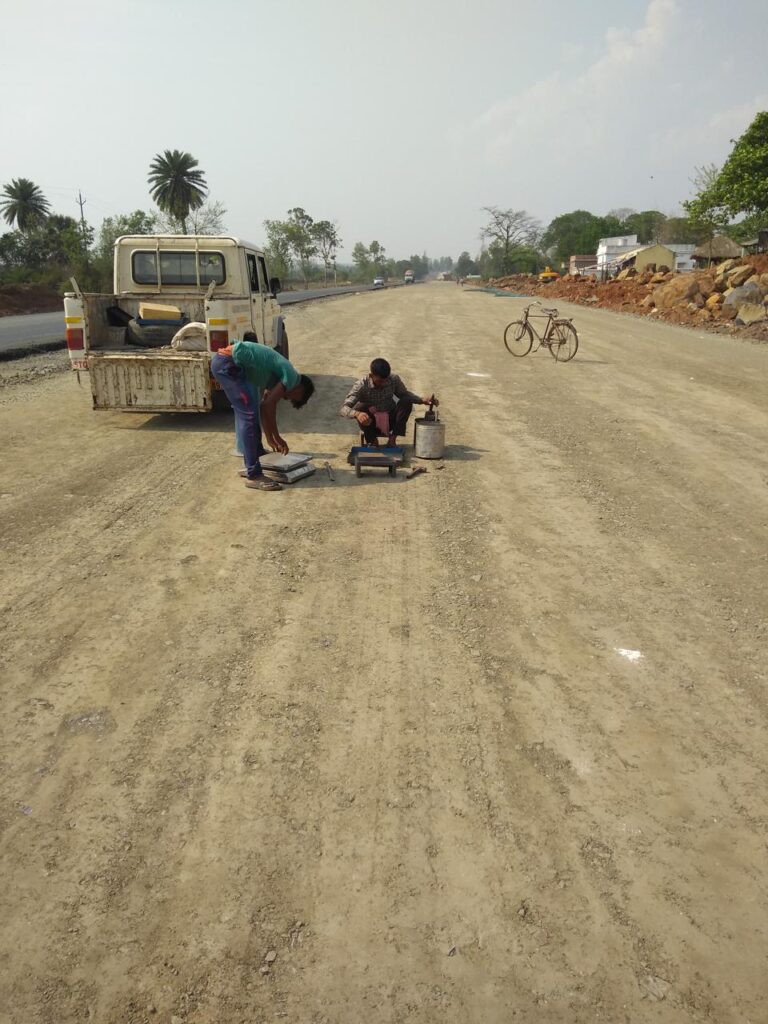
Embankment Construction Methodology with Quality Control | MoRTH Clause 305 Embankment Construction Methodology with Quality Control – MoRTH Clause 305 This page provides a complete embankment construction guide as per MoRTH Clause 305, integrating construction methodology with field quality control, acceptance criteria, inspection checklists, and mandatory testing requirements for highway projects. 1. Scope of Work Construction of embankment using approved soil or materials from borrow areas or roadway excavation, placed and compacted in layers to achieve specified geometry, density, and stability. 2. Reference Standards MoRTH Specifications – Section 305 (5th Revision) IRC SP: 84 IS 2720 Series – Soil Testing Approved Project Drawings 3. Material Selection & Borrow Area Testing Test IS Code Frequency Grain Size Analysis IS 2720 (Part 4) 2 / 3000 m³ Atterberg Limits IS 2720 (Part 5) 2 / 3000 m³ Modified Proctor IS 2720 (Part 8) 2 / 3000 m³ CBR IS 2720 (Part 16) 1 / 3000 m³ 4. Method of Construction Setting out and fixing benchmarks Preparation and compaction of original ground Placement of soil in layers (≤ 250 mm loose) Moisture conditioning near OMC Compaction using suitable rollers Testing and approval of each layer 5. Compaction Requirements Location Minimum Density Embankment Body ≥ 95% of Modified Proctor MDD Top 500 mm (Subgrade) ≥ 97% of Modified Proctor MDD 6. Field Quality Control Procedures Density Control Sand Replacement Method – IS 2720 (Part 28) Frequency: 1 test per 500 m² per layer Moisture Control Parameter Requirement Moisture Content OMC ± 2% 7. Construction Tolerances (MoRTH 305) Item Permissible Tolerance Finished Level ± 20 mm Width +100 mm / −50 mm Side Slopes ± 0.5% Layer Thickness ± 25 mm 8. Inspection Checklists Pre-Construction Borrow area approved MDD & OMC established Original ground compacted During Construction Layer thickness controlled Moisture within limits Rolling pattern followed Field density tests recorded Post-Construction Final levels & slopes checked Drainage completed Engineer approval obtained Frequently Asked Questions – Embankment Construction (MoRTH 305) What is the minimum compaction required? 95% MDD for embankment and 97% MDD for subgrade. What moisture range is acceptable? OMC ± 2% during compaction. Which field density test is preferred? Sand Replacement Method as per IS 2720 Part 28. How frequently should field density tests be conducted? Minimum one test per 500 m² per compacted layer. Why is embankment QC critical? It prevents settlement, cracking, and premature pavement failure. Prepared by Kishor Kumar Source: MoRTH (5th Revision), IS 2720 Series, IRC SP-84 © HighwayQualityTest.com Last updated: 26/01/2026 🏗️ Highway Construction Methodology Hub Standard construction methodologies for highway works as per MoRTH 5th Revision and IRC Specifications. ✅ Earthwork Methodology ✅ Clearing & Grubbing Methodology ➡️ ✅ Embankment Construction Methodology ➡️ ✅ Flyash Embankment Construction Methodology ➡️ ✅ Subgrade Construction Methodology ➡️ ✅ Granular Work Methodology ✅ Granular Sub-Base (GSB) Methodology ➡️ ✅ Wet Mix Macadam (WMM) Methodology ➡️ ✅ Bituminous Work Methodology ✅ Prime Coat Application Methodology ➡️ ✅ Tack Coat Application Methodology ➡️ ✅ Dense Bituminous Macadam (DBM) Methodology ➡️ ✅ Bituminous Concrete (BC) Methodology ➡️ ✅ Profile Corrective Course of DBM ➡️ ✅ Use of Waste Plastic in Bitumen ➡️ ✅ Use of Waste Plastic in Road Construction ➡️ ✅ Thermoplastic Road Marking Methodology ➡️ ✅ Concrete Methodology ✅ Dry Lean Concrete (DLC) Methodology ➡️ ✅ PQC Road Construction Methodology ➡️ ✅ Kerb Construction Methodology ➡️

The work of Granular Sub-base (GSB) involves laying and compacting well-graded material over a prepared subgrade. This layer forms a strong foundation for upper pavement layers and helps in distributing traffic loads evenly.

The water–cement ratio (w/c ratio) is the ratio of the weight of water to the weight of cement in a concrete mix.